


Finding the Right Boarding Facility: A First-Time Horse Owner’s Guide

Bringing a horse into your life is an exciting milestone—but it also comes with one of the most important decisions you’ll make as an owner: where your horse will live. For first-time horse owners, the search for a boarding facility can feel overwhelming. You may see everything from high-end, luxury barns to more practical, working facilities—and it’s not always clear what actually matters.
The truth is, a great boarding facility isn’t about being “boozhee.” It’s about safety, care, consistency, and a supportive environment—the kind of place that puts horses first and helps owners grow in confidence. Facilities like Texas Equine Education & Horsemanship are great examples of what a well-rounded, practical boarding environment can look like.
Let’s break down what you should really be looking for.
The Non-Negotiables (Your Must-Have Checklist)
These are the essentials. If a facility doesn’t meet these standards, it’s worth continuing your search.
1. Safe, Well-Maintained Fencing
Your horse’s safety starts with fencing. Look for:
No broken boards, loose wire, or sharp edges
Secure gates and latches
Fencing appropriate for horses (not cattle or makeshift setups)
If the fencing looks questionable, that’s a red flag—no matter how nice everything else appears.
2. Clean, Accessible Water
Horses need constant access to fresh water. Check:
Is water clean (not green, murky, or stagnant)?
Are troughs or buckets regularly maintained?
Is there a backup plan in freezing weather?
Water is one of the most basic needs, and it should never be an afterthought.
3. Consistent Feeding Program
Ask how and when horses are fed:
Is feeding on a consistent schedule?
Are horses fed individually or in groups?
Can the facility accommodate your horse’s specific needs?
Consistency is key to digestive health and overall well-being.
4. Quality Hay & Nutrition
Take a close look (and even smell) the hay if you can:
It should be clean, not moldy or dusty
Stored properly (not exposed to moisture)
Appropriate for horses (not overly stemmy or poor quality)
You don’t need “premium boutique hay”—you need safe, reliable nutrition.
5. Clean Living Conditions
Whether it’s stalls, pastures, or both:
Stalls should be regularly cleaned
Pastures should not be overly muddy or hazardous
Manure management should be consistent
A perfectly spotless barn isn’t necessary—but neglect is easy to spot.
6. Horse Health Monitoring
Ask yourself:
Do staff notice changes in behavior or appetite?
Are horses checked daily?
Is there a system for notifying owners of concerns?
You want a facility where people know the horses, not just feed them.
The People Matter Just as Much
A facility is only as good as the people running it.
Look for:
Knowledgeable staff who can answer your questions
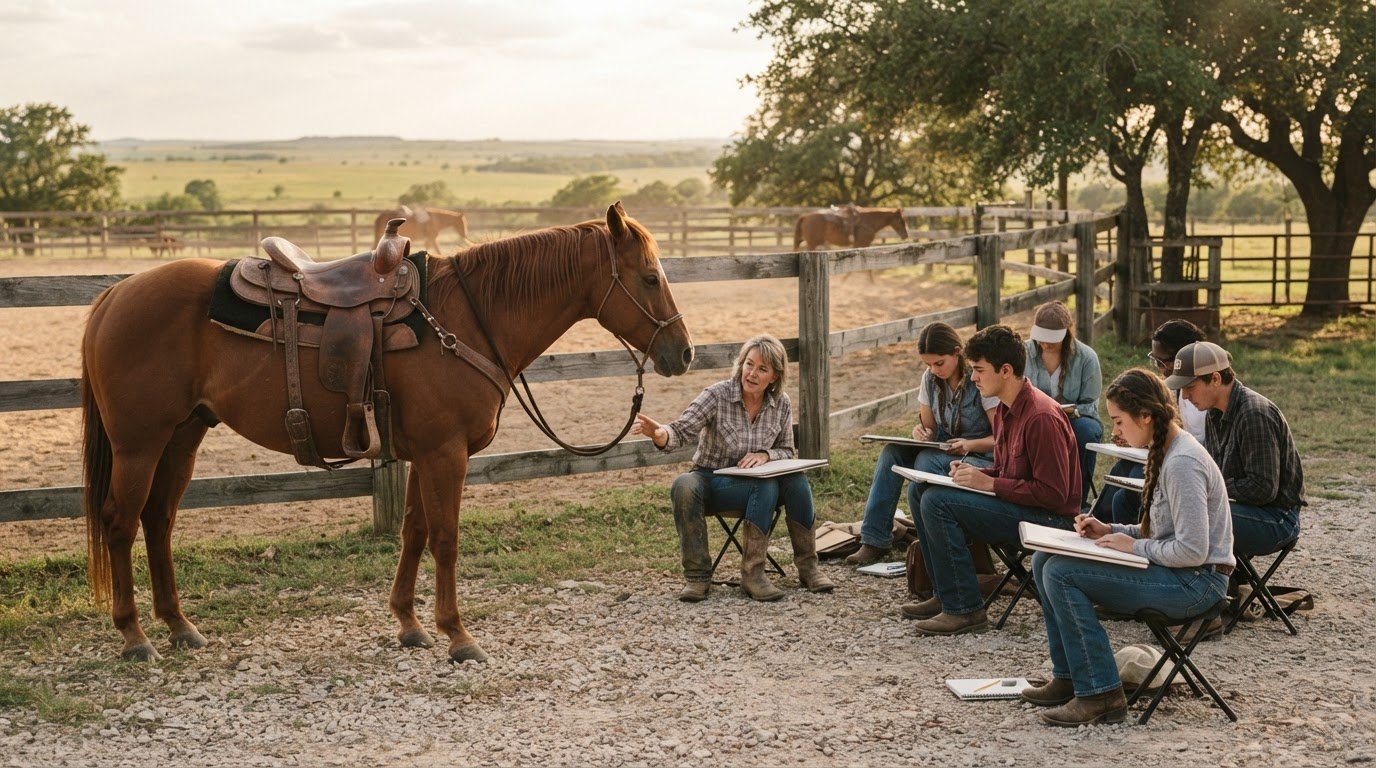
Willingness to help beginners (especially important for first-time owners)
Clear communication about expectations, policies, and care
If you feel uncomfortable asking questions, that’s a problem. You should feel supported—not intimidated.
Environment & Atmosphere
This is something many first-time owners overlook.
Ask yourself:
Do the horses look relaxed and healthy?
Is the environment calm or chaotic?
Do boarders seem happy and respectful?
You’re not just choosing a place for your horse—you’re choosing a community.
Practical Considerations (That Make a Big Difference)
These aren’t flashy, but they matter day-to-day:
Shelter (run-ins, barns, or stalls)
Turnout options (daily movement is essential)
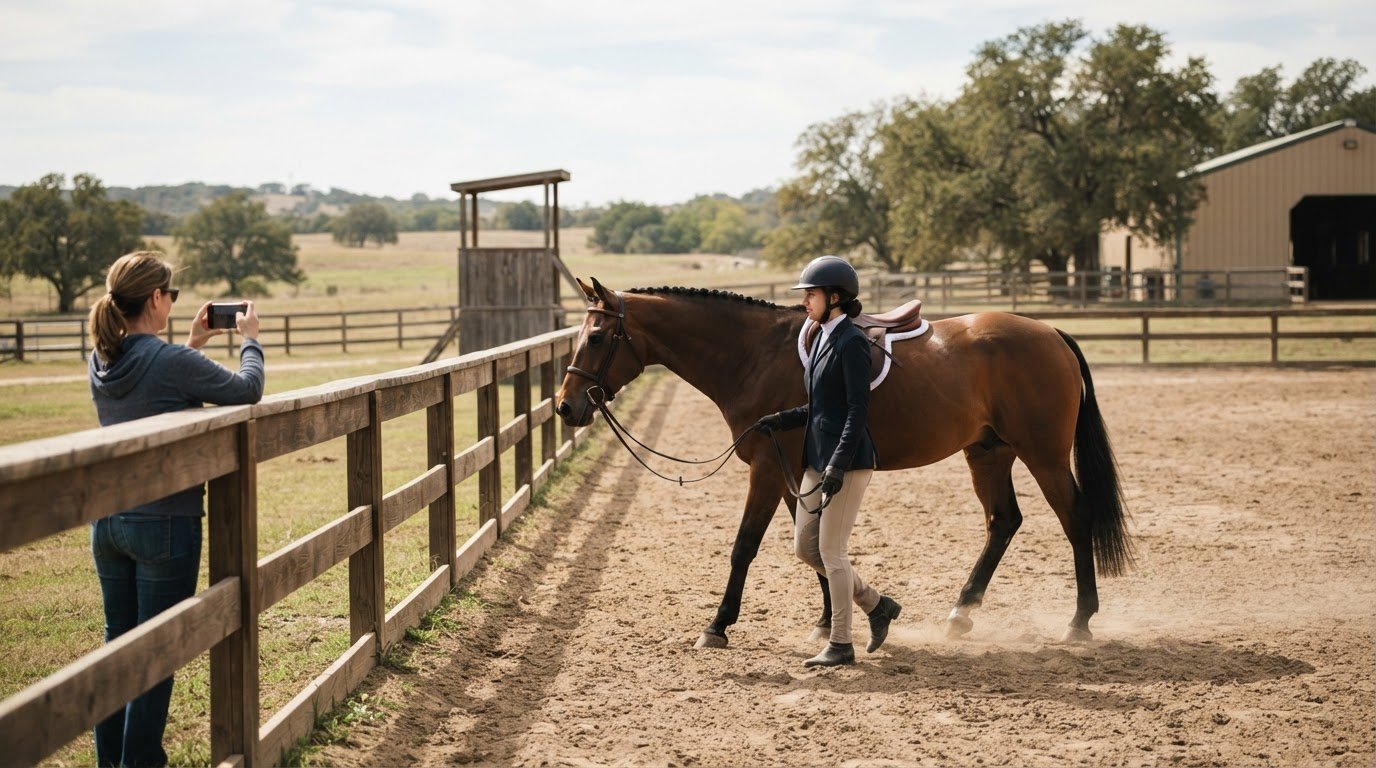
Riding space (arena, pasture, trails—even simple setups work)
Weather plans (what happens in rain, heat, or cold?)
Access hours (can you visit your horse when needed?)
A facility doesn’t need to be fancy—but it does need to function well.
Red Flags to Watch For
If you notice these, proceed with caution:
Horses that appear underweight, lethargic, or neglected
Overcrowded pastures or stalls
Lack of clear feeding or care routines
Poor communication or vague answers
Unsafe conditions brushed off as “normal”
Trust your instincts. If something feels off, it probably is.
Final Thoughts for First-Time Owners
It’s easy to get distracted by aesthetics—beautiful barns, matching tack rooms, or perfectly curated social media. But your horse doesn’t care about any of that.
What your horse does care about:
Safe surroundings
Reliable food and water
Consistent care
A low-stress environment
And what you need as a first-time owner:
Guidance
Support
A place where you can learn and grow
The right boarding facility will feel like a partnership—not just a place you pay monthly.
Closing Thought
Choosing the right boarding facility is one of the most important decisions you’ll make as a horse owner. Focus on the fundamentals, trust your observations, and prioritize environments that value both horse welfare and rider growth—because the best barns aren’t the fanciest ones, they’re the ones where horses thrive and people learn.


Comments