


Master Essential Horsemanship Skills for Safety and Success

Updated: Sep 15
What if the most important part of riding actually happens before you ever put a foot in the stirrup? It's natural to feel a bit overwhelmed when you first step into the barn. Between the technical terms and the sheer size of these animals, many people worry about staying safe or misinterpreting what a horse is trying to say. You aren't alone in wanting to feel more confident. Developing foundational horsemanship skills is the key to replacing that uncertainty with a sense of calm and clarity.
By focusing on how horses think and move, you can build a relationship based on mutual trust. We'll explore the essential ground-based techniques that ensure every visit to the stable is safe, productive, and rewarding. This journey starts with understanding the horse's perspective to create an environment where both human and animal can thrive together.
Table of Contents
The Core Pillars of Foundational Horsemanship Skills
True horsemanship is much more than sitting in a saddle. It's a comprehensive blend of technical handling, equine psychology, and strict safety protocols. While many people associate the term with Equitation, which focuses on the art of riding, the most vital horsemanship skills are actually developed on the ground. This foundation ensures that every interaction is built on a bedrock of safety and mutual understanding.
Horses are social animals that look for clear, consistent leadership. Establishing this role isn't about being bossy; it's about being a reliable partner who provides direction. This is why non-riding horse education is the most critical starting point for any equestrian. It allows you to learn the "why" behind horse behavior before you ever step foot in a stirrup.
Understanding Equine Psychology and Communication
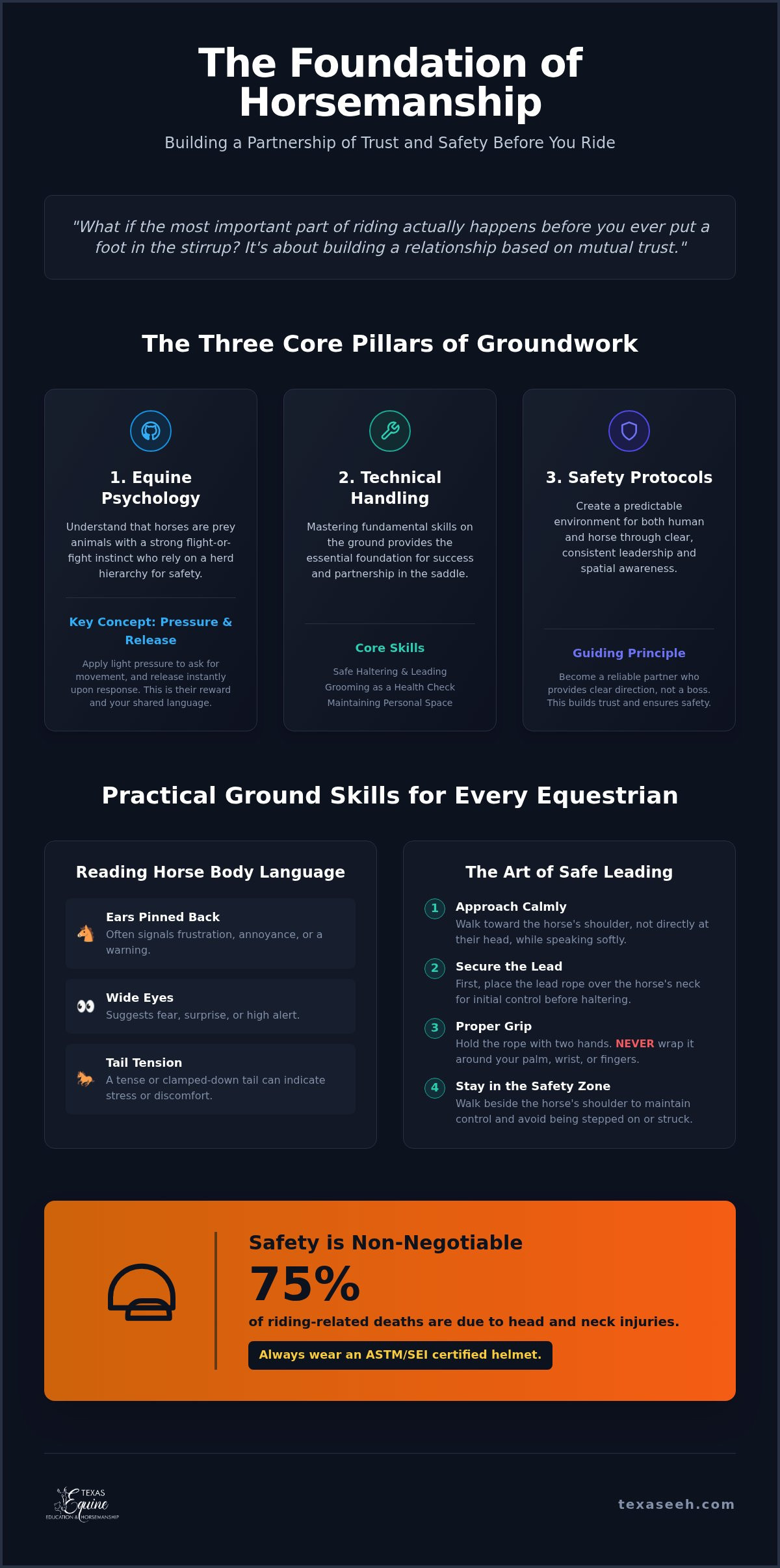
As prey animals, horses have a strong flight-or-fight instinct. In a herd, they rely on a hierarchy for safety. When you handle a horse, you're entering their social world. You can read their thoughts by watching specific cues like ear position, tail tension, and eye expression. For example, ears pinned back often signal frustration, while wide eyes suggest fear.
Communication happens through a concept called pressure and release. You apply a small amount of pressure to ask for a movement, then immediately release that pressure the moment the horse responds. This release is the horse's reward. Mastering these horsemanship skills creates a peaceful, shared language that builds confidence for both the human and the horse.
Practical Ground-Handling Skills for Every Equestrian
Practical ground work is where the bond between you and your horse becomes tangible. It's essential to begin with the basics of learning to handle horses safely, which starts with respecting personal space. Think of this space as an invisible bubble that protects both horse and human. Maintaining a safe distance ensures that if the horse is startled, you both have room to react without injury. This awareness is a cornerstone of your safety and self-assurance.
Grooming is another foundational piece of your horsemanship skills. It's a quiet, meditative time that builds trust while allowing you to perform a thorough health check. By running your hands over the horse's body daily, you can spot heat, swelling, or small cuts that might otherwise go unnoticed. Following foundational horsemanship principles like consistency and patience during these moments sets the stage for a successful and lasting partnership.
Mastering the Art of Safe Leading and Haltering
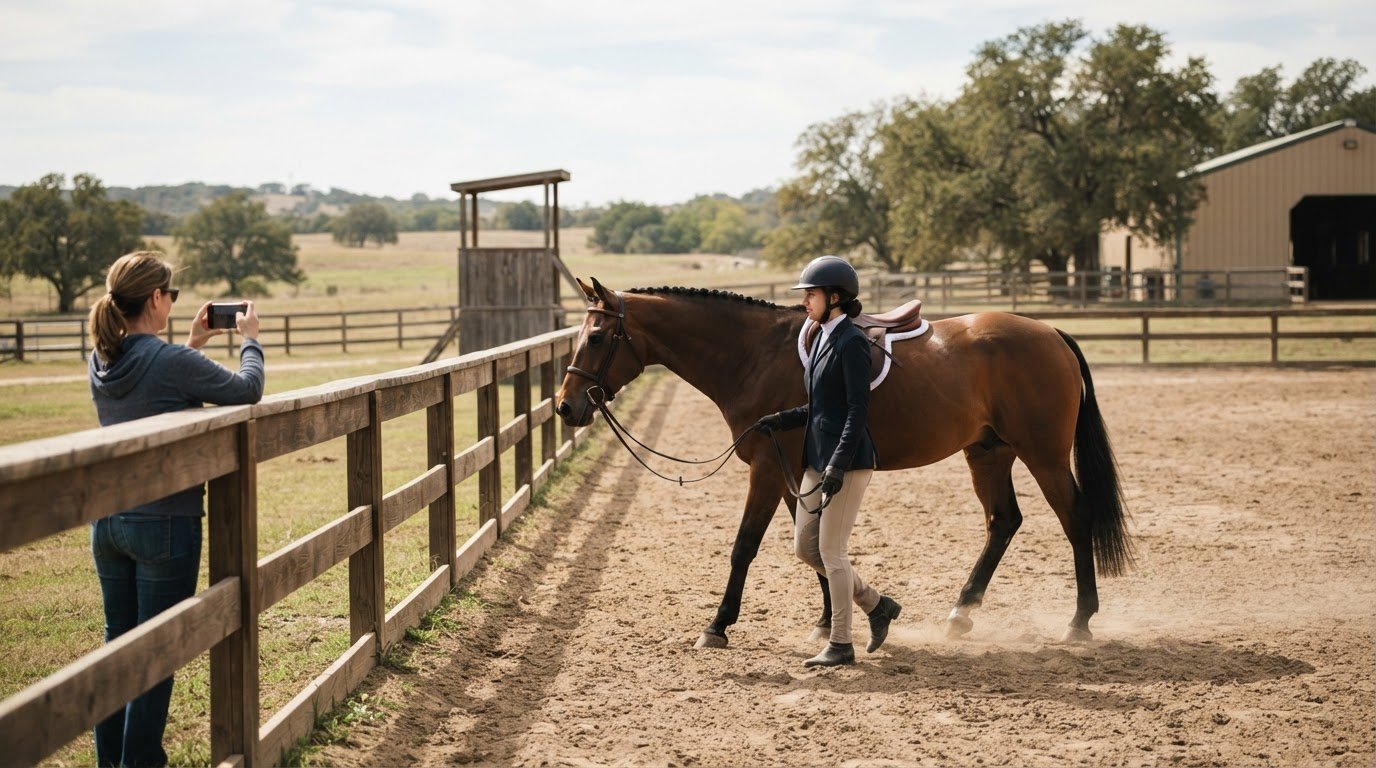
Approaching a horse requires a calm, steady energy. Walk toward the shoulder while speaking softly, then place the lead rope over the neck for control. When leading, hold the rope with two hands and never wrap it around your palm or fingers. Stay in the safety zone beside the shoulder to guide them through gates or turns safely. Practicing these horsemanship skills daily creates a predictable environment for everyone. For hands-on guidance, foundational horsemanship lessons offer a supportive way to grow your confidence.
Advancing Your Horsemanship Through Structured Learning
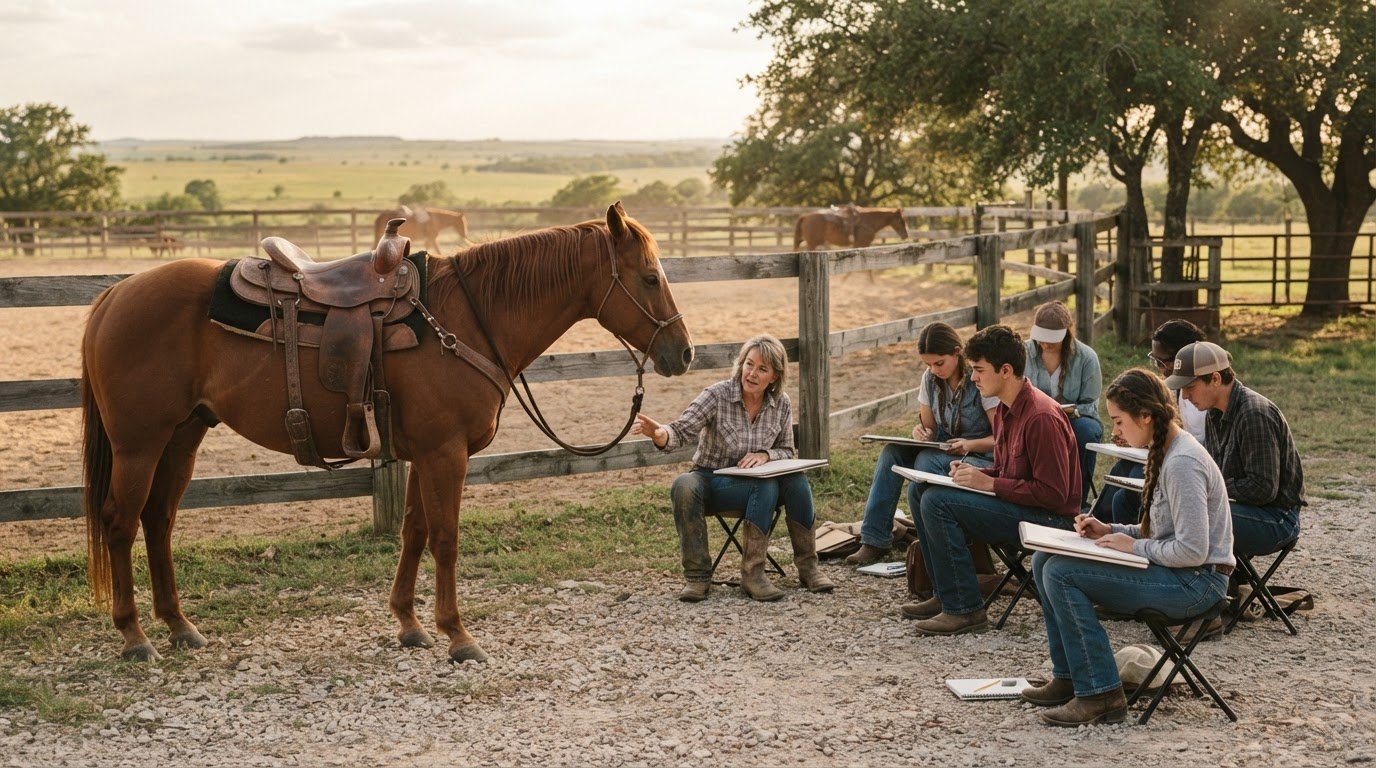
Becoming a skilled equestrian is a lifelong journey of discovery. It's a path that requires patience, consistency, and a commitment to continuous growth. The time you spend refining your horsemanship skills on the ground isn't just preparation; it's a direct investment in your future performance in the saddle. A horse that respects your space and understands your cues on the ground will be much more responsive when you're mounted. To deepen your understanding, resources like The Reading Rein provide an excellent way to build equine literacy and stay informed about horse welfare and behavior.
Transitioning from Groundwork to Horsemanship Lessons
A student is typically ready to move from ground-based equine care classes to mounted instruction once they demonstrate a calm, confident handle on the horse. This transition is a significant milestone in your development. Safety remains the highest priority, requiring the use of ASTM/SEI certified helmets during every stage of learning. According to research from Smart Wag in May 2026, head and neck injuries account for 75% of riding-related deaths, making certified headgear a non-negotiable part of your equipment. This commitment to safety ensures you can focus on the joy of learning without unnecessary risk.
Celebrating this progress is an essential part of the learning process. Concepts like a "Showcase" allow you to demonstrate mastered horsemanship skills in a supportive environment. These events serve as a wonderful prerequisite for more advanced opportunities like the Horse & Rider Showcase™. At Texas Equine™, foundational education is the heart of every program, ensuring you're ready for the next step. If you're looking to begin your journey, our Horsemanship Lessons provide a structured and nurturing path toward equestrian success.
Embarking on Your Equestrian Journey
Building your foundation starts with a commitment to understanding the horse's world. By mastering essential horsemanship skills on the ground, you establish the trust and safety required for a lifelong partnership. This education-first approach focuses on clear communication and stability, ensuring you're confident in every interaction. Whether you are studying through our curated equine library or participating in our nationwide literacy and education programs, every step you take builds readiness for the saddle. This journey of personal growth is as rewarding for the human as it is for the horse.
Discover how to build your foundation through our Horsemanship and Equine Care Education at Texas Equine™. We are here to support your progress every step of the way as you develop the self-assurance and knowledge needed for equestrian success.
Frequently Asked Questions
What are the most important horsemanship skills for a total beginner?
The most critical skills for beginners include learning to read equine body language and understanding how to maintain a safe personal space. You must also master basic handling techniques like approaching a horse calmly and haltering correctly. These fundamental horsemanship skills ensure you can interact with a horse confidently while prioritizing the safety of both human and animal in any stable environment.
Why is groundwork considered a horsemanship skill if I am not riding?
Groundwork is the foundation of the horse-human relationship because it establishes clear communication and mutual respect without the added complexity of riding. It teaches you how to influence a horse's movement through pressure and release. By refining these skills on the ground, you build a reliable partnership that translates directly to better performance and safety once you decide to transition to the saddle.
How does horsemanship differ from just learning how to ride a horse?
While riding focuses on the technical art of equitation, horsemanship is a holistic approach that includes equine psychology, health care, and behavioral understanding. It's about becoming a knowledgeable partner rather than just a passenger. Mastering horsemanship skills means you understand the "why" behind a horse's actions, allowing you to handle various situations with patience and professional expertise from the ground up.
Can I learn horsemanship skills through virtual or online classes?
Yes, you can build a strong theoretical foundation through virtual education and equine literacy programs. Sessions like our weekly virtual education every Thursday provide valuable insights into horse behavior and management. Additionally, finding specialized digital guides through Peradus Store can help you master the theory behind equine care. These digital resources allow you to absorb information at an unhurried pace, preparing you with the readiness needed for future hands-on practice in a physical stable setting.


Comments