


Equine Programs for First Responders: Wellness & Skills

Updated: Nov 5
Riding isn’t required in every equine program for first responders. Texas Equine Education & Horsemanship’s Intro to Horsemanship for First Responders includes five weeks of unmounted horsemanship education, so participants learn with horses from the ground. Other programs may use different activities, so understand the format before deciding whether it fits your goals.
It’s natural to wonder who can take part, especially if you’re retired from public safety or aren’t comfortable riding. Eligibility and activities vary, and equine programs may focus on guided, ground-based interaction rather than mounted lessons. This article explains who these programs may serve, how ground-based sessions differ from riding, and what to consider when choosing an experience suited to your goals.
Table of Contents
Eligibility, including former public safety personnel
Eligibility varies by program. Some activities are designed for active first responders; others may include retired or former public safety personnel. Before applying, identify the group served and whether the program’s goals match yours. For example, a firefighter who has left service should look for eligibility details that include former personnel rather than assuming active-duty status is required.
Program screening helps match participants with suitable activities. A typical first step is to describe your goals, horse experience, mobility needs, and any concerns that could affect participation. The program may use that information to plan sessions and determine whether ground-based interaction or riding is a better fit. Screening supports safe planning; it does not, by itself, establish a clinical diagnosis or treatment need.
Equine-assisted therapy focuses on therapeutic goals, counseling addresses mental health through a counseling relationship, and recreational programs emphasize horsemanship or enjoyable interaction with horses. These options can share a setting but serve different purposes. Clarify the program’s purpose before enrolling.
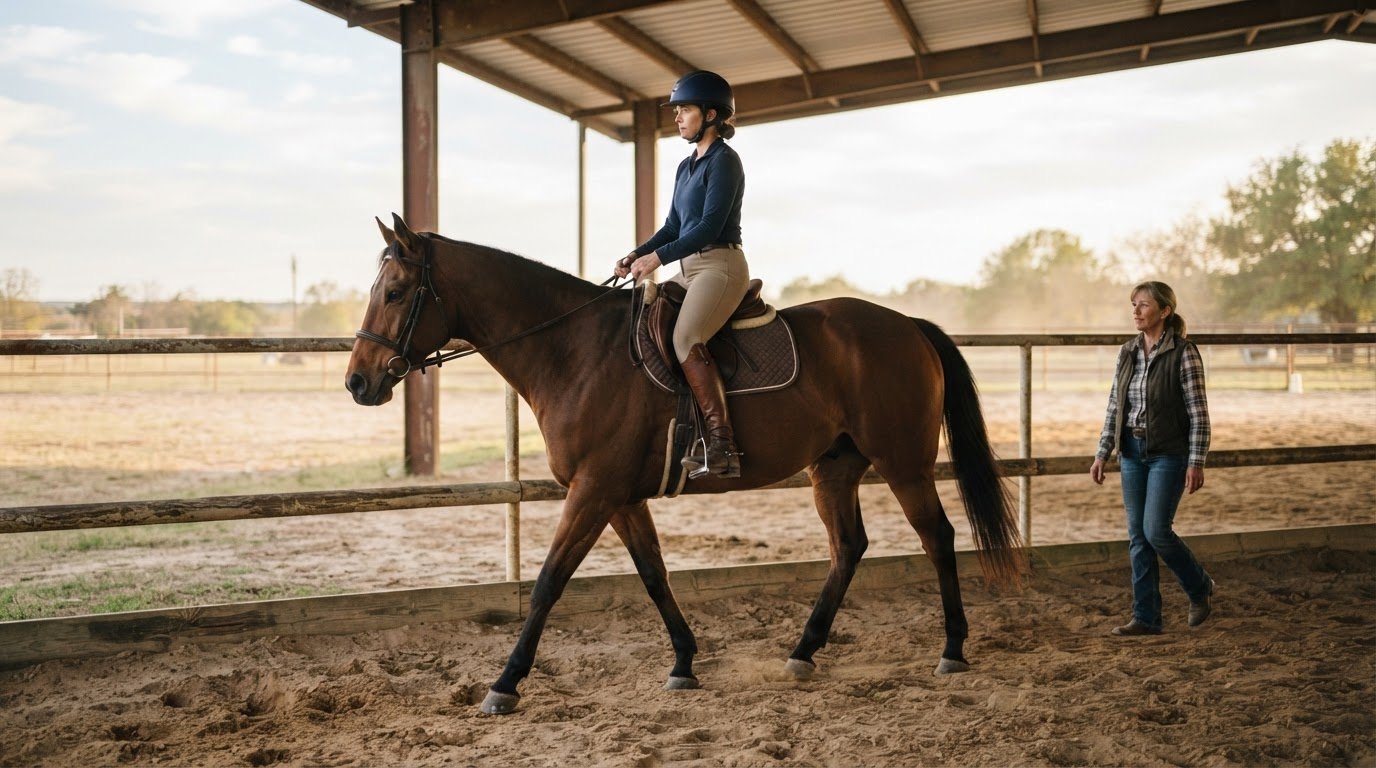
Riding eligibility depends on the program’s safety policy and the fit between rider, horse, and equipment. There is no single weight limit that applies across programs; horse capacity, tack fit, rider balance, and mounting access all matter. Ask how activities accommodate mobility needs, review consent and liability forms, and follow the instructor’s directions. Be mindful of practical risks, including working close to a large animal.
To apply, find a program serving first responders, review its eligibility criteria, and complete its application or screening process. Family members or coworkers can attend only if the program allows group participation; individual sessions may be structured differently. Include each intended participant in your enrollment planning.
Equine-facilitated wellness for first responders and public safety personnel
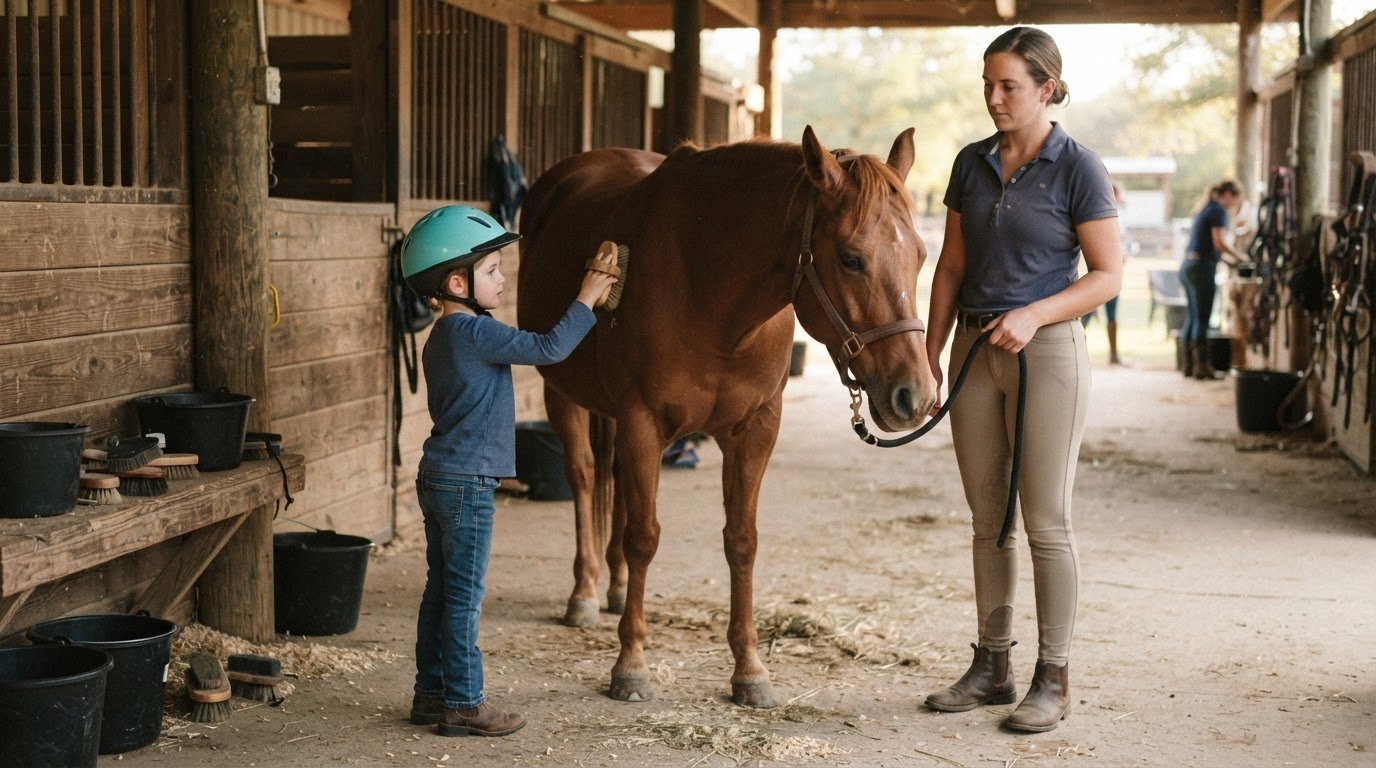
Equine programs can give first responders structured time around horses, with activities shaped by the program’s goals. Some sessions emphasize observation, grooming, leading, or communication from the ground; others may include riding. Understanding the format helps you build awareness and horsemanship skills without assuming every program involves mounted work.
The Intro to Horsemanship for First Responders includes five weeks of unmounted horsemanship education. Participants learn and interact with horses from the ground, focusing on reading a horse’s signals, responding calmly, and communicating clearly. These practical activities may support reflection and mental wellness, but they are not automatically therapy or clinical treatment.
Evidence should be interpreted carefully. A study attributed to the Columbia College of Nursing at the University of Wisconsin reported a 67% improvement among veterans experiencing PTSD challenges after 3 weeks of equine-assisted activities and therapies, and an 87% improvement after 6 weeks. Those findings concern veterans, not first responders generally, and don’t establish that every program produces the same outcome. Ask what an activity measures and whether it is wellness, counseling, or therapy.
Funding varies by program and structure. An agency may support participation through a wellness budget, while a nonprofit may rely on grants, donations, or community partnerships. Before applying, identify who pays, which costs are covered, and whether funding is intended for individual members, a department, or a group. This clarifies the application route and any participation requirements.
Are equine programs for first responders available near me in the United States?
Across the United States, available programs vary by location, focus, and travel distance. Search using your state or county alongside terms such as “first responder equine wellness” or “public safety horsemanship.” Add your role, such as firefighter, paramedic, or law enforcement officer, to narrow results. An equestrian center may teach riding without offering wellness support, so compare the stated purpose, not just the location.
Next, review each program’s audience and format. Look for clear information about active and former personnel, ground-based activities, riding, session structure, and application steps. One program may serve department members through group activities, while another may accept individuals. The format determines whether it suits someone seeking peer connection, horsemanship skills, or guided wellness activities.
Distance is only one part of access. Consider transportation, scheduling, mobility needs, and whether sessions take place at a stable or elsewhere. Your department’s peer-support or wellness contact may know of local opportunities. If a retreat is farther away, compare its length and travel demands with the schedule of a closer program before applying.
Use a simple comparison to assess your options: record each program’s location, eligibility, activity type, and application process. Then contact the program directly about its stated participation steps and group arrangements. A clear match between your goals and the format matters more than choosing the closest listing. This helps you compare equine programs for first responders without assuming every horse-centered activity provides therapy.
Texas Equine Education & Horsemanship™: Horse & Rider Showcase
Texas Equine Education & Horsemanship™ offers the Horse & Rider Showcase, a public event for exploring horsemanship. It may suit first responders interested in horse and rider skills, rather than counseling or equine-facilitated wellness. The showcase is distinct from a clinical or therapeutic program.
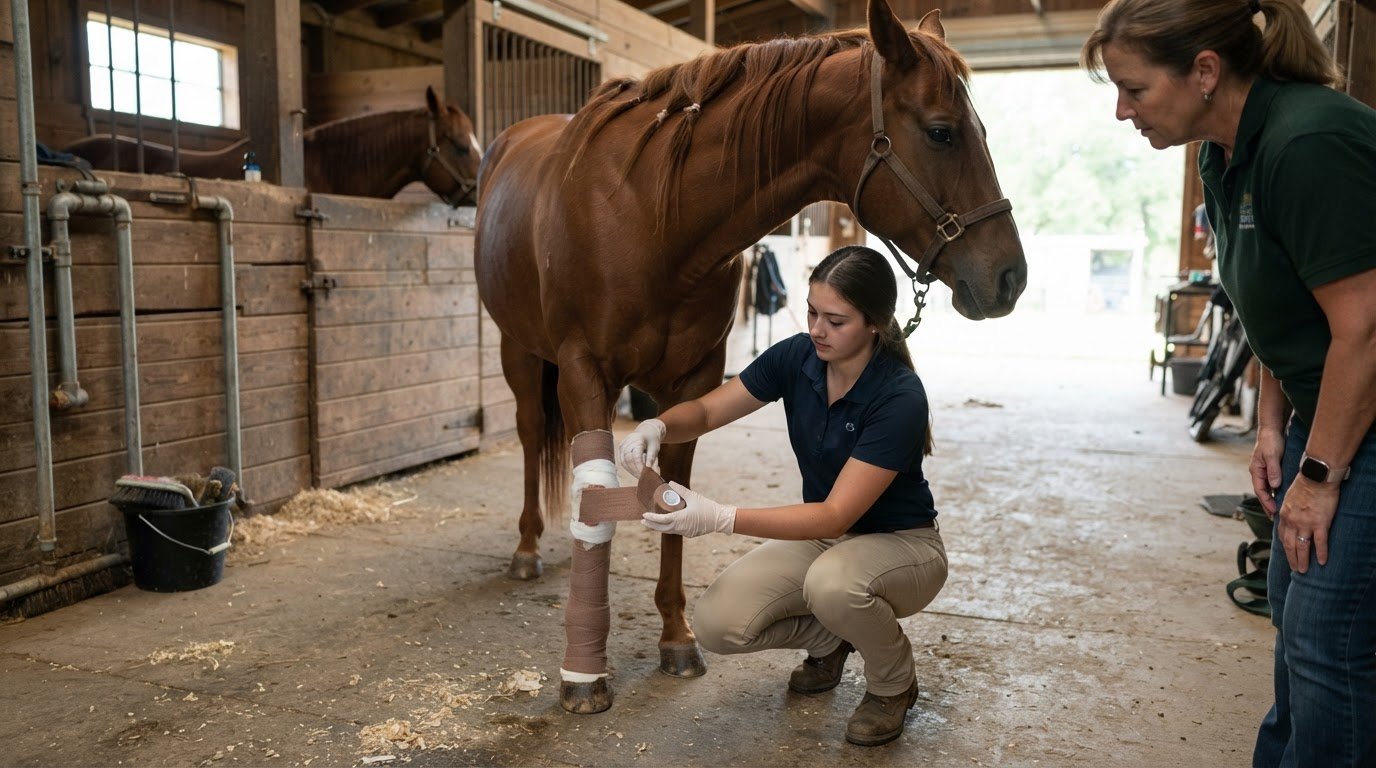
For a hands-on introduction to horse care, Texas Equine Education & Horsemanship offers Equine Care Classes. Choose an event if you want to observe horsemanship, or a class if you want to build practical equine-care knowledge. Neither is a substitute for mental health care or therapy.
Review the Horse & Rider Showcase details to consider whether the event fits your interest in horsemanship.
Choose a Next Step That Fits Your Goals
Before exploring equine programs for first responders, consider what you want the experience to support: horsemanship learning, connection with peers, or professional mental health care. Naming your goal can help you compare formats and decide what questions to ask. Equine activities may complement an overall wellness routine—just as digital health platforms like Hero AI support daily fitness and nutrition goals—but they are not a substitute for clinical support when needed.
Identify the kind of setting that feels right, then choose a next step that aligns with your needs and expectations. A thoughtful decision can help you approach the experience with clarity and confidence.
Frequently Asked Questions
Is riding involved, or are all activities done on the ground?
Some equine activities take place on the ground, while others may include riding. Groundwork could involve observing a horse’s body language, grooming, or guided leading. Mounted participation depends on the program’s design and the participant’s comfort and needs. If riding isn’t your goal, look for a program that clearly describes unmounted activities and how participants engage with horses.
What equine-assisted programs are available for first responders?
Options can include clinical psychotherapy involving horses, personal development, recreation, and horsemanship education. Each serves a different purpose. An educational activity, for example, may focus on horse care or communication, while psychotherapy addresses clinical goals. For individuals seeking focused personal development and self-regulation outside of equine settings, coaching like Neurotransformation by Tanja offers structured support. Identify the intended outcome before enrolling so the program matches the kind of support or learning you seek.
How do equine programs support first responders' mental health and trauma recovery?
Structured activities around horses can offer opportunities to practice communication, notice reactions, and reflect. Their role depends on the program: psychotherapy may incorporate them into clinical care, while recreational and educational sessions have other aims. Consider whether you need a clinical service, peer connection, or a learning experience, and use that distinction to guide your choice.
Which organizations offer equine therapy or retreats for firefighters, police, EMS, and dispatchers?
Programs may be offered by equine-assisted service organizations, mental health practitioners, or retreat organizers. Their audiences and services vary, so look for details that name the public safety roles served and explain whether the offering is therapy, wellness, recreation, or education. The program description can help distinguish a retreat from ongoing clinical care or horsemanship instruction.
What are the eligibility requirements for first responder equine programs?
Eligibility depends on each program’s participant criteria and activities. Some are designed for active personnel; others may include people who have left public safety work. Check whether your role or service status fits the stated audience. Also consider horse experience, mobility needs, and comfort around horses, as these can affect which activities are suitable.


Comments