


The Core Benefits of Therapeutic Horsemanship Explained

A horse’s response can make nonverbal communication easier to notice. The benefits of therapeutic horsemanship may include opportunities to build self-awareness, responsibility, and riding skills through structured activities such as grooming, leading, or riding. Equine-assisted programs take different forms: therapeutic riding teaches riding skills, while hippotherapy uses horse movement as part of treatment led by a trained therapist.
It’s understandable to wonder what happens during these activities and whether they suit a particular person. The answer depends on the program and the participant’s needs. This guide explains what equine therapy involves, who may take part in therapeutic riding, and how horses respond to people’s observable actions and nonverbal cues, helping you understand the options and how they differ.
Table of Contents
Who can do therapeutic riding?
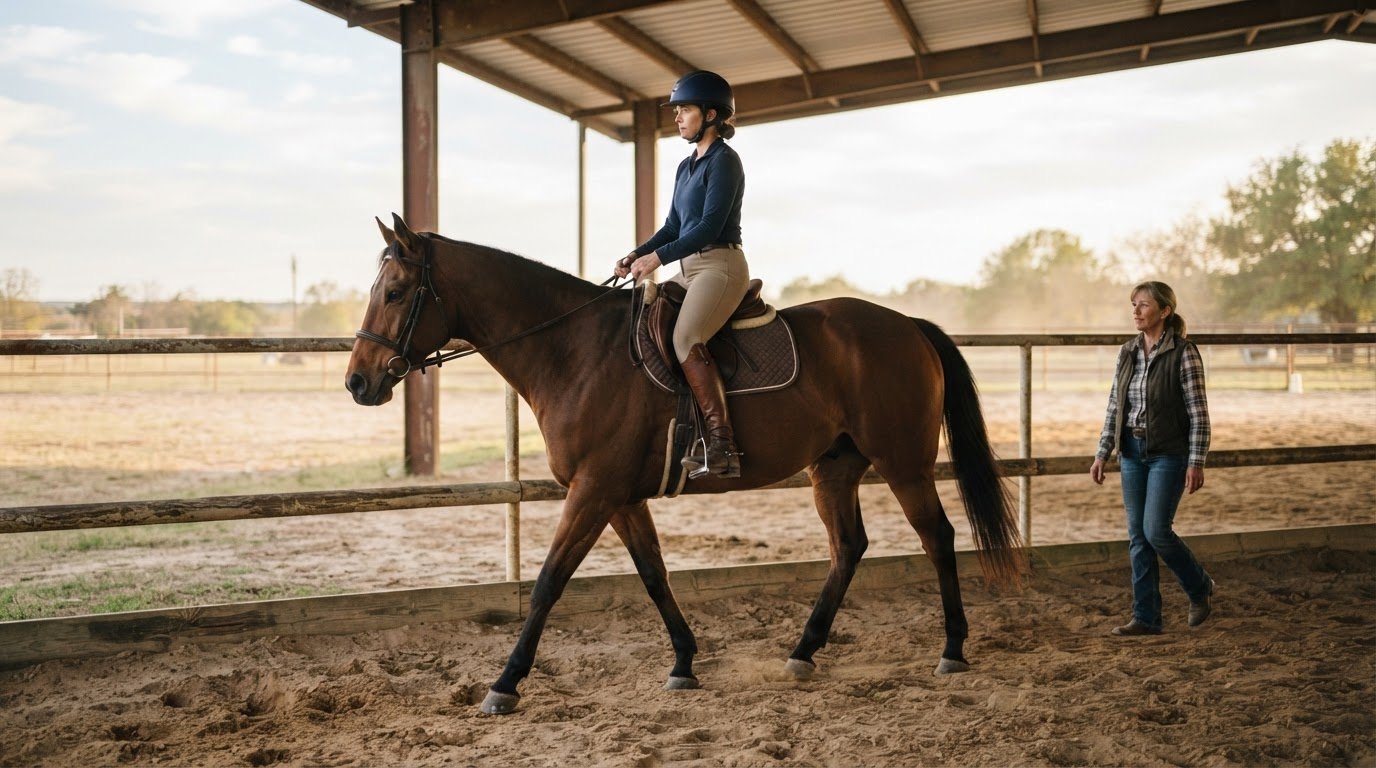
Therapeutic riding teaches riding skills to people with disabilities, adapting activities to individual abilities. Children and adults with autism, cerebral palsy, or Down syndrome may participate. Eligibility depends on a person’s posture, communication, and support needs, not a diagnosis alone. Riders generally need enough trunk control to sit upright with little or no support and some ability to communicate.
Learning a practical horsemanship task can build confidence as participants see their progress. For example, a rider might practice holding the reins, responding to an instructor, or guiding a horse through a simple activity. Completing each step can foster a sense of accomplishment and self-esteem. Grooming or leading a horse can also provide opportunities to practice responsibility and social skills, such as listening and taking turns.
Therapeutic riding may support mental and physical goals, but it is exercise and recreation, not medical treatment. In an 8-week program, combat veterans with post-traumatic stress disorder reported greater confidence, gratitude, hope, and patience. A structured program can give participants opportunities to practice skills and notice their own progress, although experiences differ from person to person.
Physical benefits may include engaging core muscles and practicing posture, balance, coordination, and motor skills. A horse’s movement challenges the rider to adjust their position and maintain balance while riding. These activities may support strength and movement practice, but therapeutic riding is not a substitute for prescribed physical therapy.
In the United States, session costs vary with factors such as location, session format, and staffing. Financial assistance also varies by center, so it is not available everywhere.
Safety planning considers the rider’s abilities and the horse’s welfare. Centers may require medical approval, assess trunk control and communication, and set weight limits; some centers use a limit of less than 185 pounds. These precautions help determine suitable activities and support.
To find a center, look for therapeutic riding instructors certified by PATH Intl. and ask about its rider assessment and safety practices. Certification helps identify instructors trained in therapeutic riding.
What is Equine Therapy?
Equine-assisted therapy describes structured activities with horses for people with different needs. It can involve riding, horse care, or ground-based interaction, depending on the participant’s goals and abilities. Therapeutic horsemanship emphasizes learning skills such as grooming, saddling, and leading. Equine therapy may instead form part of treatment for physical, speech, or mental health concerns.
Hippotherapy is a distinct approach in which a specially trained physical, occupational, or speech-language therapist uses a horse’s movement as a treatment aid. The word comes from the Greek “hippos,” meaning horse. By contrast, equine-assisted psychotherapy takes place on the ground and uses activities with horses to address mental or behavioral health goals. For example, a participant might practice communication while leading a horse beside a therapist.
For people with spinal cord injuries, riding suitability depends on the injury and individual needs. A complete injury above T-6 is a contraindication for riding, but doesn’t necessarily exclude other equine activities. Ground-based options may include grooming, feeding, or leading, with tasks adapted to the person’s abilities. A therapist can incorporate horse-related activities into physical therapy, while a mental health professional may use structured interactions for emotional goals.
Activities can be adapted to focus on movement, coordination, communication, or confidence. During grooming, for example, a participant might follow a sequence: approach the horse, brush its coat, then put equipment away with support. Feeding or leading can provide practice in attention and calm communication. Riding adds movement and exercise, while ground-based work does not require mounting. For children with autism or people with other disabilities, the activity and support level depend on their goals and functional needs. Because these approaches differ, “equine therapy” alone does not identify the treatment or the professional guiding it.
Horses’ responses to human emotions and nonverbal cues
Horses respond to observable cues such as a person’s movement, posture, and handling. A horse may respond differently when someone approaches quickly or holds a lead rope tensely than when they move steadily. This interaction can provide nonverbal feedback, but it does not mean a horse can identify a specific emotion or diagnose a mental health condition. An instructor can help participants reflect on what they noticed and how they might adjust their approach.
That pause offers a practical opportunity to practice emotional regulation. A participant might stop, take a breath, relax their hands, and try leading again at a slower pace. The task provides a clear sequence to follow while observing the horse’s response. In a structured session, repeating this approach can help participants notice their reactions and consider coping strategies they could use in other situations.
Research on therapeutic riding and other equine-assisted approaches examines different participants, goals, and measures. Findings from one riding program do not establish the same effect for every person or condition. Results depend on the activity and the outcome assessed, such as emotional well-being, attention, or physical function. Therapeutic horsemanship can offer opportunities for emotional learning, but it is not a universal mental health intervention or a replacement for clinical care.
For participants, interacting with a horse may make communication feel more immediate: the animal responds to actions in the moment, without spoken explanations. With guidance, participants can practice approaching calmly, observing the horse, and adjusting their behavior when needed. These experiences help explain why the benefits of therapeutic horsemanship may include self-awareness and coping practice, while keeping expectations grounded in each person’s goals and the program’s purpose.
The benefits of therapeutic horsemanship can help you consider what kind of horse experience fits your goals. Therapeutic riding and therapy are distinct from general riding instruction, so choose an activity based on whether you are seeking treatment with a qualified professional or foundational horsemanship learning. Understanding the difference helps set a clear, realistic next step.
For those interested in learning the basics of riding, Texas Equine Education & Horsemanship™ offers an Introductory Lesson. Explore an Introductory Lesson with Texas Equine Education & Horsemanship™ and take your next step at a pace that feels right for you.
Frequently Asked Questions
How does adaptive horseback riding work?
Adaptive horseback riding adjusts equipment, instruction, and support to suit the rider’s abilities. For example, adapted reins can help someone who uses one hand maintain control, while side walkers may assist with stability. An instructor can also simplify directions or adjust an activity’s pace. These adaptations help participants practice riding skills while addressing individual movement and communication needs.
What is therapeutic horsemanship, and how does it differ from equine-assisted therapy?
Therapeutic horsemanship teaches horse-related skills through activities such as groundwork and riding, with personal growth as a focus. Equine-assisted therapy is a broader term for structured work with horses that supports therapeutic goals. Hippotherapy is a specific treatment approach in which a trained therapist uses a horse’s movement. The professional leading the activity and its purpose distinguish these approaches.
How can therapeutic horsemanship support mental health and emotional well-being?
Therapeutic horsemanship can provide a structured setting to practice communication, patience, and emotional awareness. For instance, someone might pause, adjust their approach, and try leading a horse again after noticing its response. These experiences can support reflection and coping practice, but horsemanship instruction is not a substitute for mental health treatment from a qualified professional.
What benefits may therapeutic horsemanship offer children with disabilities or developmental conditions?
For children with disabilities or developmental conditions, horse-related activities can provide practical opportunities to practice attention, communication, and following a sequence. A child might prepare grooming tools, complete a task with guidance, and put the equipment away afterward. Riding activities may also engage balance and coordination. Goals and activities should reflect the child’s abilities and the program’s purpose.
Who is eligible for therapeutic horsemanship, and what conditions may make it unsafe?
Eligibility depends on a person’s functional abilities, support needs, and the activity being considered, rather than diagnosis alone. For riding, a complete spinal cord injury above T-6 is a contraindication. That restriction does not automatically rule out ground-based horse activities. Posture, ability to communicate, and the support needed to participate also help shape suitable activities.


Comments