


Horses and Veteran Wellness: Benefits and Opportunities

Veterans don’t need to ride horses to explore equine therapy. They can interact with horses alongside a licensed mental health professional, individually, with immediate family members, or in small groups. Prior horse experience isn’t needed. This ground-based approach may help veterans explore the connection between horses and veteran wellness, including support for PTSD and other mental health concerns.
It makes sense to want clear information before considering a new form of support, especially when mental health care is personal. This article explains how to find equine therapy services for veterans, how equine-assisted psychotherapy differs from equine-assisted learning, and how horse-related activities may support reflection, communication, and connection. You’ll also learn what sessions may involve and how to distinguish clinical mental health treatment from personal development, so you can consider the option with a clearer understanding of its purpose.
Table of Contents
How can I find equine therapy services for veterans?
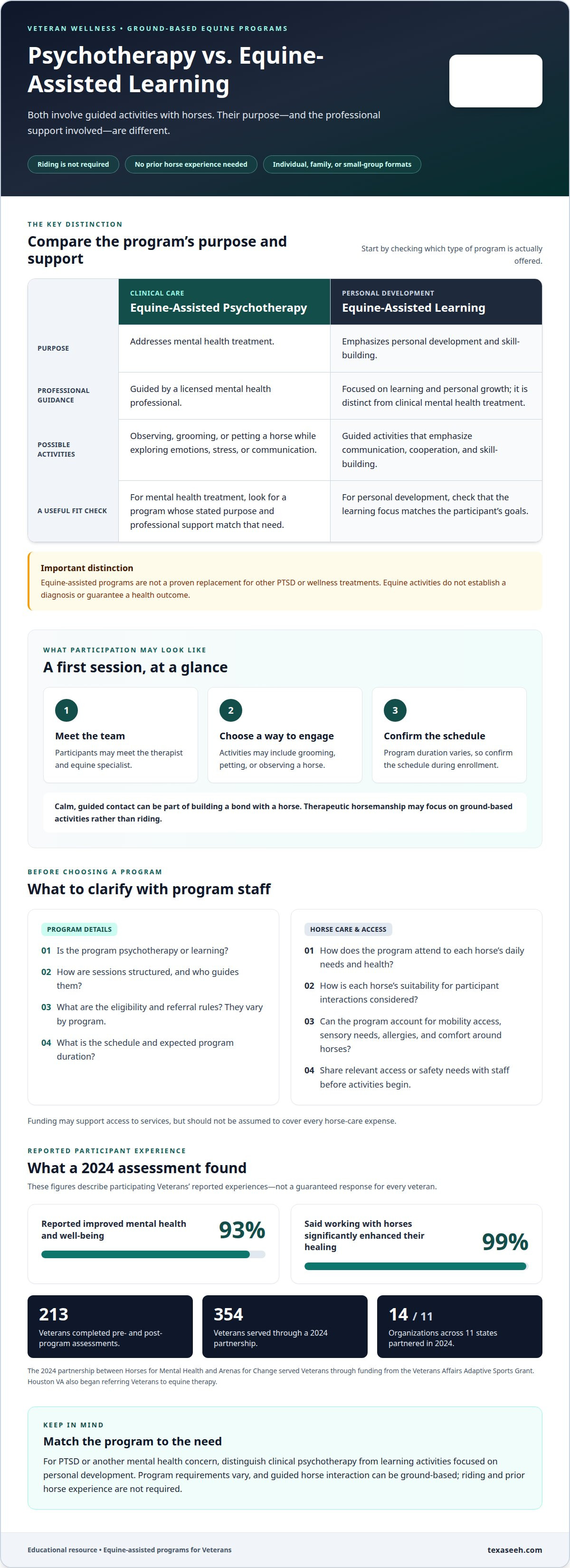
Start by identifying whether a program offers equine-assisted psychotherapy or equine-assisted learning. Psychotherapy addresses mental health treatment with a licensed therapist; learning focuses on personal development and skill-building. In 2024, Horses for Mental Health and Arenas for Change partnered with 14 organizations across 11 states to serve 354 Veterans through funding from the Veterans Affairs Adaptive Sports Grant. Houston VA also began referring Veterans to equine therapy.
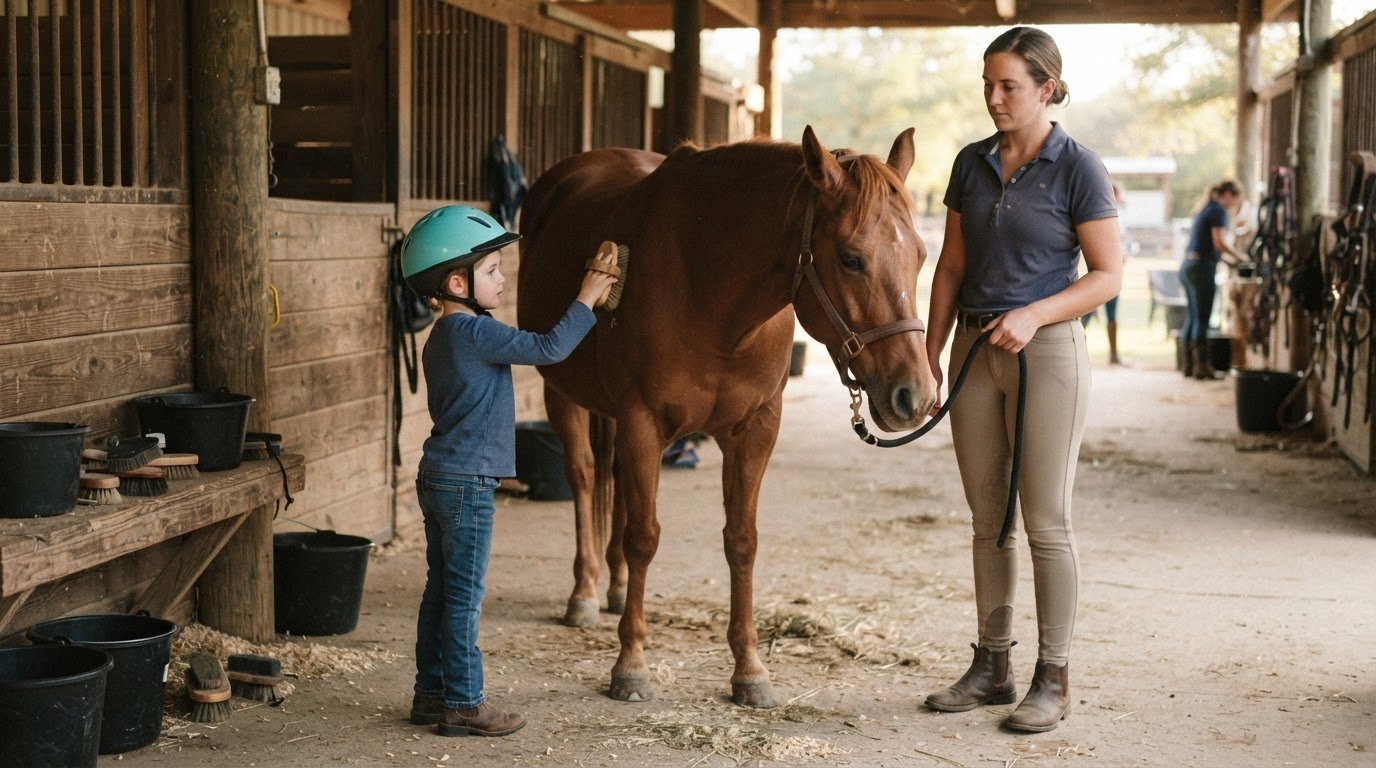
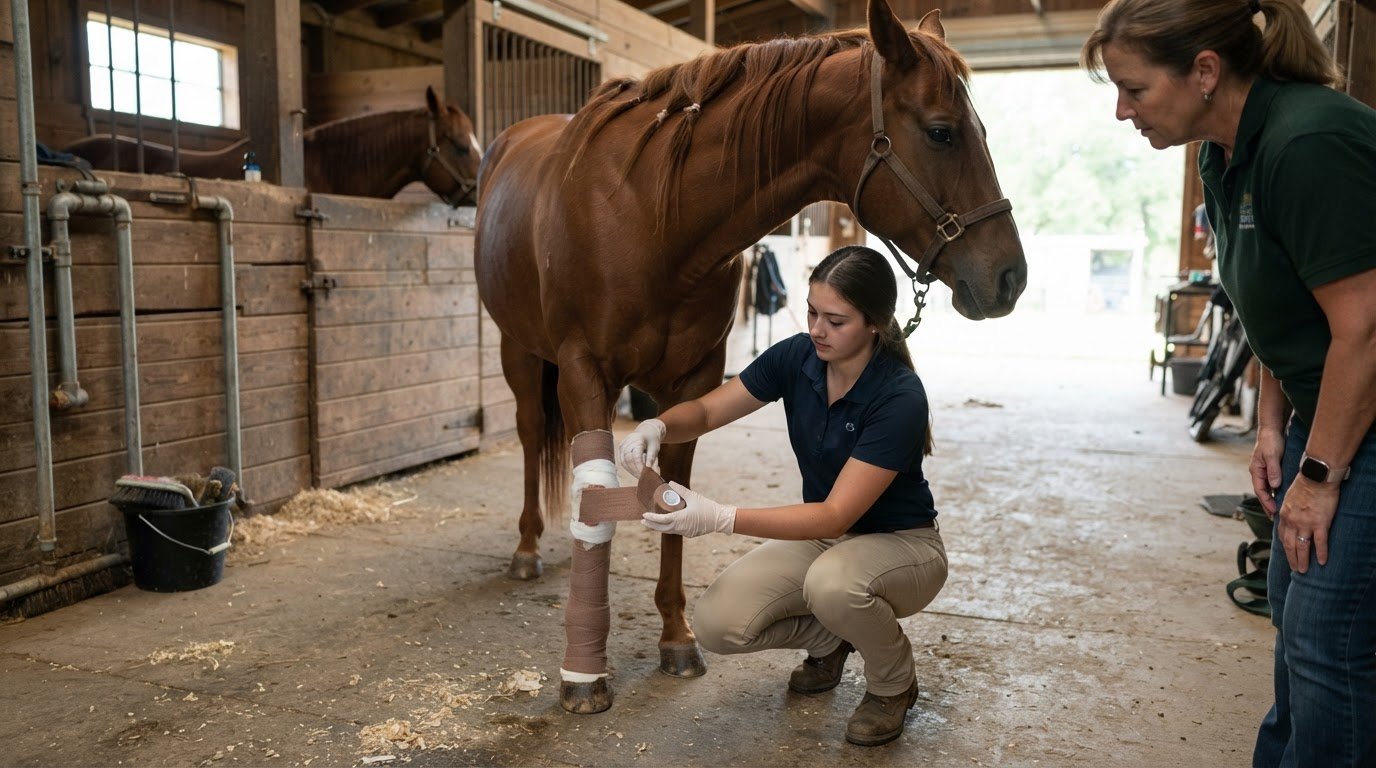
Ask how sessions are structured and how the program cares for its horses. Responsible care means attending to each horse’s daily needs, health, and suitability for participant interactions. Funding may support access to services, but shouldn’t be assumed to cover every horse-care expense. A bond with a horse can develop through calm, guided contact, such as grooming or observing. Therapeutic horsemanship may focus on these ground-based activities rather than riding.
Equine-assisted programs offer a different format from other PTSD and wellness treatments; they aren’t a proven replacement. Psychotherapy is guided by a mental health professional and focuses on treatment, while learning activities emphasize personal growth. Eligibility and referral rules vary by program, so don’t assume a PTSD diagnosis or referral is always required.
At a first session, veterans may meet the therapist and equine specialist, then groom, pet, or observe a horse. Program duration varies, so confirm the schedule during enrollment. No prior horse experience is needed.
Horses are large animals, so programs should account for safe interaction, mobility access, sensory needs, allergies, and comfort around horses. Tell program staff about relevant access or safety needs before activities begin.
PTSD and other veteran mental health concerns
Post-traumatic stress disorder can develop after someone experiences or witnesses trauma, including combat. Its effects may make daily routines, relationships, and a sense of safety harder to manage. Veterans may also seek support for stress, isolation, or communication difficulties. Equine-assisted programs offer one setting for exploring these concerns, with clinical psychotherapy distinct from learning activities focused on personal development.
In equine-assisted psychotherapy, a mental health professional may guide activities such as observing, grooming, or petting a horse. A horse’s nonverbal responses may help a participant notice stress or reflect on how they communicate. These interactions can create space to explore emotions and patterns in a calm, nonjudgmental setting. They don’t replace PTSD treatment or establish a diagnosis.
Program assessments offer encouraging but specific evidence. In the 2024 assessment, 93% of participating Veterans reported improved mental health and well-being, while 99% said working with horses significantly enhanced their healing. A total of 213 Veterans completed pre- and post-program assessments. These figures describe participants’ reported experiences; they don’t show that every veteran will have the same response.
That distinction matters when considering horses and veteran wellness. Equine-assisted psychotherapy focuses on mental health treatment, while equine-assisted learning emphasizes personal development and skill-building. Veterans seeking help with PTSD should look for a program whose stated purpose fits that need and whose sessions involve mental health professionals.
June is PTSD Awareness Month, a useful time to learn about treatment options and supportive activities. Equine work may complement a broader care plan by offering space to practice trust, communication, and emotional awareness. The horse is part of the setting; the participant’s goals and professional guidance shape the work.
How can horses and equine-assisted programs support veterans’ mental and physical wellness?
Equine-assisted activities can give veterans a structured way to practice attention, communication, and cooperation. Warrior Herd group visits combine individual experiences with team-building activities alongside therapy horses. A group task, for example, can invite participants to coordinate and notice how they respond to others. The horse becomes part of a shared experience, while facilitators guide participation.
Individual work allows a different pace. A veteran can focus on one interaction, reflect on their reactions, and choose how to take part. Kody Wall described how equine therapy helped him communicate more openly with his young son and build a more trusting relationship. His experience illustrates one possible benefit: skills practiced in a session may also matter in family relationships.
Physical participation can involve practical tasks around a horse rather than riding. Grooming or completing an activity calls for attention to the task and awareness of the horse’s responses. These activities offer opportunities for purposeful movement and engagement, but they aren’t a substitute for physical therapy or a guarantee of physical health outcomes.
For veterans considering horses and veteran wellness, the program’s design matters. Equine-assisted psychotherapy centers on mental health treatment, while equine-assisted learning emphasizes personal development and skill-building. A group format may provide shared practice; an individual activity may allow quieter reflection. The right format depends on the veteran’s goals and the program’s focus.
After a session, reflecting on one specific moment can help connect the experience to daily life. A veteran might consider when communication felt easier or what helped them stay engaged during a group task. These observations can give future sessions a practical focus.
Texas Equine Education & Horsemanship™: Horse & Rider Showcase
Texas Equine Education & Horsemanship™ offers the Horse & Rider Showcase as an opportunity to learn about horses and horsemanship outside a therapy setting. Veterans and families interested in equine-assisted care can explore this educational option to build general familiarity with horses. The Showcase is not equine-assisted psychotherapy or a substitute for mental health treatment.
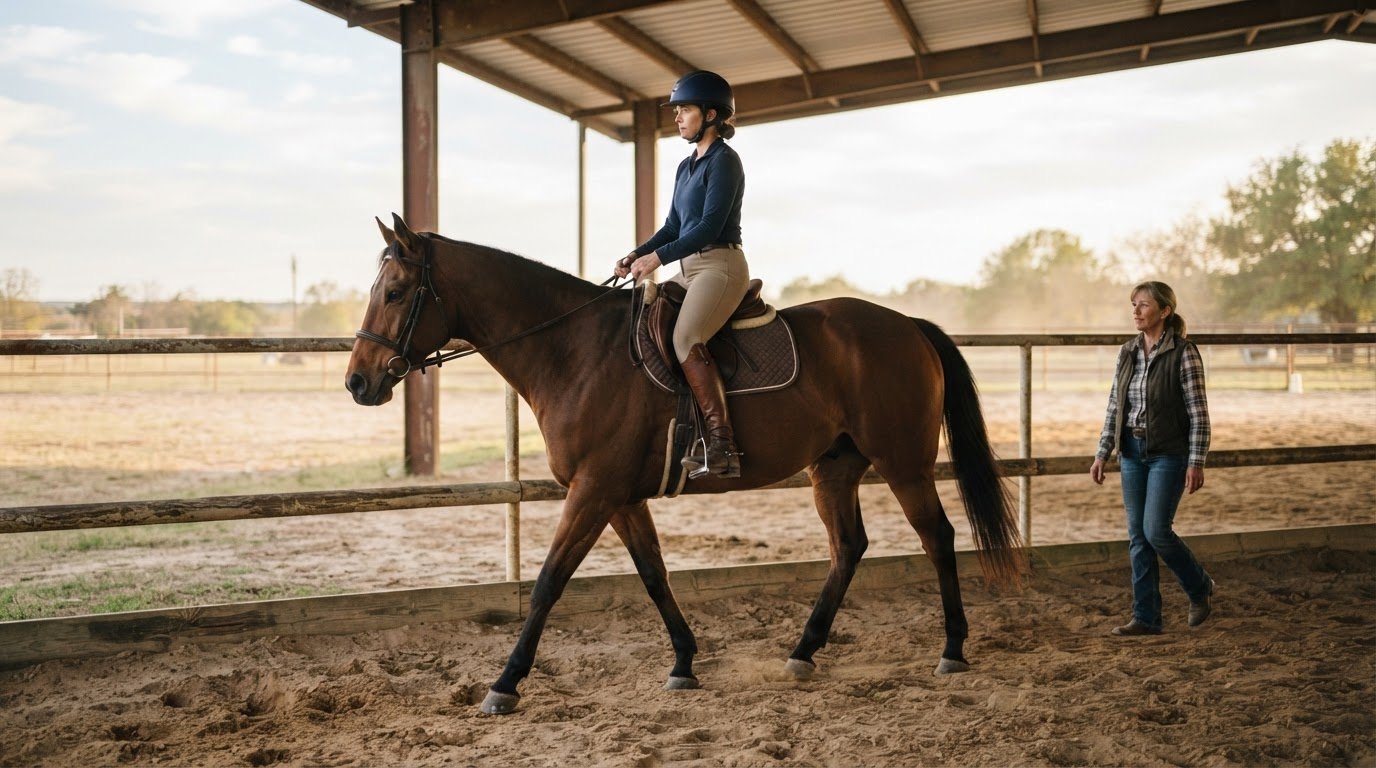
For a hands-on introduction, an Introductory Lesson offers a starting point for learning horsemanship, while Equine Care Classes focus on horse-care knowledge. These offerings suit people seeking education about horses, not clinical support for PTSD. Choose between them based on whether your goal is learning riding foundations or understanding horse care.
If you’re interested in horse education, contact Texas Equine Education & Horsemanship™ to discuss the Horse & Rider Showcase.
Choose a next step that fits your goals
Exploring horses and veteran wellness can start with a clear goal: learning about horses or seeking structured, veteran-focused support. Keeping that goal in view can help veterans and families choose a next step that fits what they hope to explore.
For veterans interested in horsemanship, Stars & Stirrups is a Texas Equine offering to consider. It provides an opportunity to engage with horse education while keeping that experience distinct from clinical mental health care.
Contact Texas Equine Education & Horsemanship™ about Stars & Stirrups to discuss this horsemanship option. Move forward at a pace that feels comfortable and aligned with your goals.
Frequently Asked Questions
What is the evidence that equine-assisted therapy helps veterans with PTSD, depression, anxiety, or social isolation?
Program assessments and participant reports may offer encouraging evidence, but reported improvement doesn’t prove equine therapy caused it. Results reflect participants’ experiences in particular programs and may not apply to every veteran or concern. Consider equine-assisted work as a possible part of care, not a guaranteed outcome or a replacement for established mental health treatment.
What types of equine-assisted services are available to veterans, and how do therapy, learning, and recreation differ?
Equine-assisted psychotherapy is mental health treatment guided by a mental health professional. Equine-assisted learning focuses on personal development and skill-building rather than clinical treatment. Recreation generally means leisure activities with horses, not psychotherapy. Activities may involve ground interaction, but their purpose and professional guidance distinguish treatment from education or recreation.
How much do equine-assisted programs for veterans cost, and which organizations offer them free or subsidized?
Program fees and funding arrangements vary, so there’s no single cost that applies across the United States. Some initiatives receive grant support: a 2024 partnership involving Horses for Mental Health and Arenas for Change received funding from the Veterans Affairs Adaptive Sports Grant. Grant support doesn’t establish that every program is free; ask the program about eligibility and participant costs.
How can veterans find equine-assisted programs near them in the United States?
Start by contacting a VA care team to ask whether it can identify equine-assisted services or referral pathways in your area. You can also search for veteran-focused equine programs using your state or region as a location term. Before making plans, clarify the program’s purpose, session format, eligibility, travel needs, and whether referrals are accepted.
What questions should veterans ask when choosing a qualified equine-assisted therapy provider?
Ask whether sessions involve psychotherapy, learning, or recreation, and who guides each activity. For treatment, clarify the mental health professional’s role and how sessions connect with your care goals. Also ask how horse interactions are supervised, what activities involve, how accessibility needs are addressed, and what participation and referral requirements apply.


Comments