


Ethical Horsemanship Guide: Building Trust and Respect

Competition and compassion can go together. Ethical horsemanship means training and riding in ways that respect a horse’s physical and mental readiness, welfare, and signals of discomfort. It calls for preparation and humane methods that build trust, rather than pushing a horse into a challenge before they’re ready.
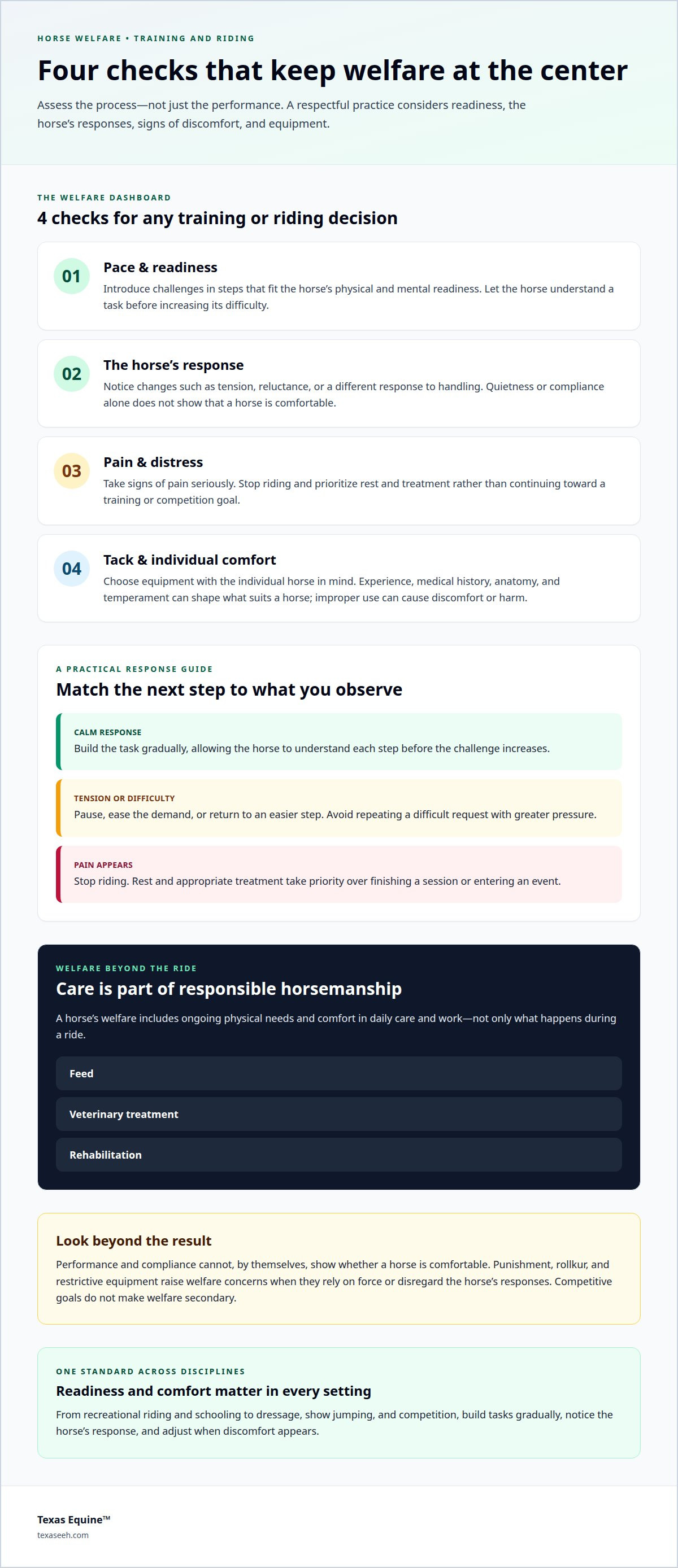
It’s natural to want clear signs that a training practice is respectful and safe. Assess it by considering its pace, the horse’s responses, how pain or distress is handled, and whether tack is used with the horse’s comfort in mind. This guide explains how to evaluate training practices, apply welfare principles to decisions, and keep safety in view in recreational riding and competition. You’ll gain a practical framework for recognizing respectful training and understanding when a horse may need rest, an adjustment, or care.
Table of Contents
Accountability for training practices
Accountability means judging training by the horse’s responses, not the rider’s intentions. A useful assessment considers welfare, readiness, and whether each step builds trust.
Humane Training and Horse Welfare
Humane training uses patient, consistent handling to develop cooperation without intimidation or force. A horse’s welfare includes its physical and mental experience, not simply whether it performs a requested task. For example, if a horse becomes tense during a new exercise, the handler can pause, ease the demand, and notice what the horse is communicating. Empathy and consistency help riders assess progress through the horse’s responses rather than treating compliance alone as success. Accountability also means recognizing that care and training are connected: the horse’s comfort should remain central.
Progressive Training Practices
Progressive training introduces challenges in steps that suit the horse’s physical and mental readiness. This gives the horse an opportunity to understand a task before its difficulty increases. For example, when introducing unfamiliar groundwork, a handler can begin with a simple, familiar cue, then build toward the new request as the horse responds calmly. If the horse struggles, returning to an easier step is more considerate than repeating the demand with greater pressure. This approach makes readiness part of the decision, rather than assuming every horse learns at the same pace.
Risks of Common Training Practices
Punishment, rollkur, and restrictive equipment raise welfare concerns when they rely on force or disregard the horse’s responses. Punishment can replace clear communication with intimidation, undermining the trust training should build. Assess rollkur by considering whether the horse’s readiness and comfort are respected. Restrictive equipment can cause discomfort or harm when used improperly, even if the tack itself is considered ethical. Notice signs of distress rather than treating quietness as proof that a method is acceptable; a horse may appear calm while tired or weakened. Performance and compliance alone cannot show whether a horse is comfortable.
Horse safety and welfare guidelines
Safety starts with putting a horse’s welfare ahead of convenience, riding goals, or competition results. That priority should guide care decisions, equipment choices, and responses to possible neglect.
Horse Welfare as the Priority
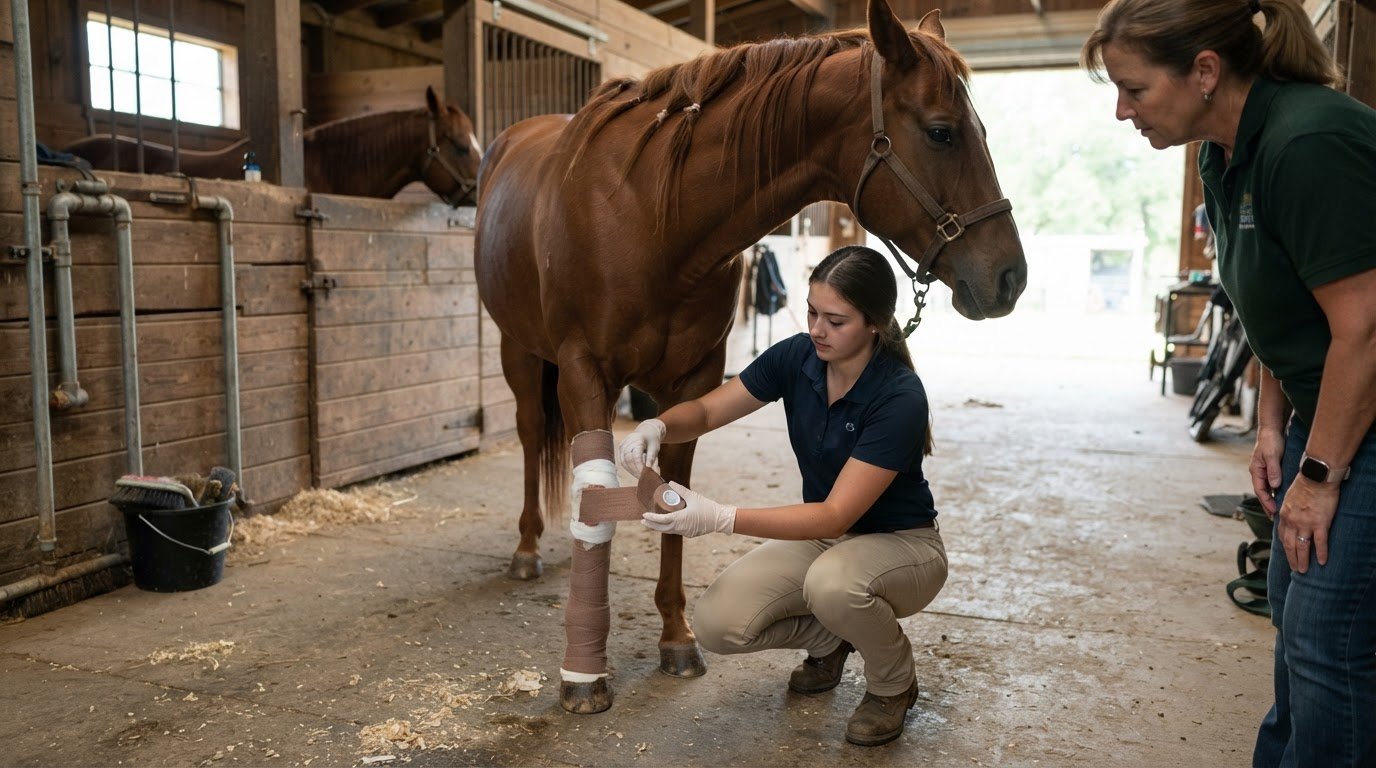
Horse welfare means supporting a horse’s ongoing physical needs and considering its comfort in daily care and work. Horses need feed, veterinary treatment, and rehabilitation, so welfare involves more than what happens during a ride. In the United States, horse protections may involve state and local anti-cruelty laws, and coverage varies by location. If you witness suspected abuse or neglect, report what you observed to local animal control or law enforcement. Share the location and specific signs without putting yourself at risk.
Recognizing Stress, Pain, and Fear
Recognize distress by noticing changes in a horse’s behavior and condition, rather than assuming quietness means comfort. A horse that appears calm may be tired or weakened, so consider the wider context and its usual behavior. Watch for possible signs of discomfort or fear, such as tension, reluctance, or a changed response to handling. These observations alone don’t establish a cause, but they are reasons to pause and take the horse’s condition seriously. Pain calls for rest and treatment, not continued riding.
Welfare in Riding, Tack, and Competition
Welfare-led riding adapts the activity and equipment to the individual horse, including in competition. A bridle suited to one horse may not suit another; experience, medical history, anatomy, and temperament can shape preferences. Tack considered ethical can still cause discomfort or harm if used improperly. Choose equipment that doesn’t inherently cause pain, then pay attention to how the horse responds while wearing it. If signs of pain appear, stop riding and prioritize rest and treatment. Competitive aims never outweigh the horse’s comfort, care, or fulfilling life beyond riding.
Ethical horsemanship across disciplines
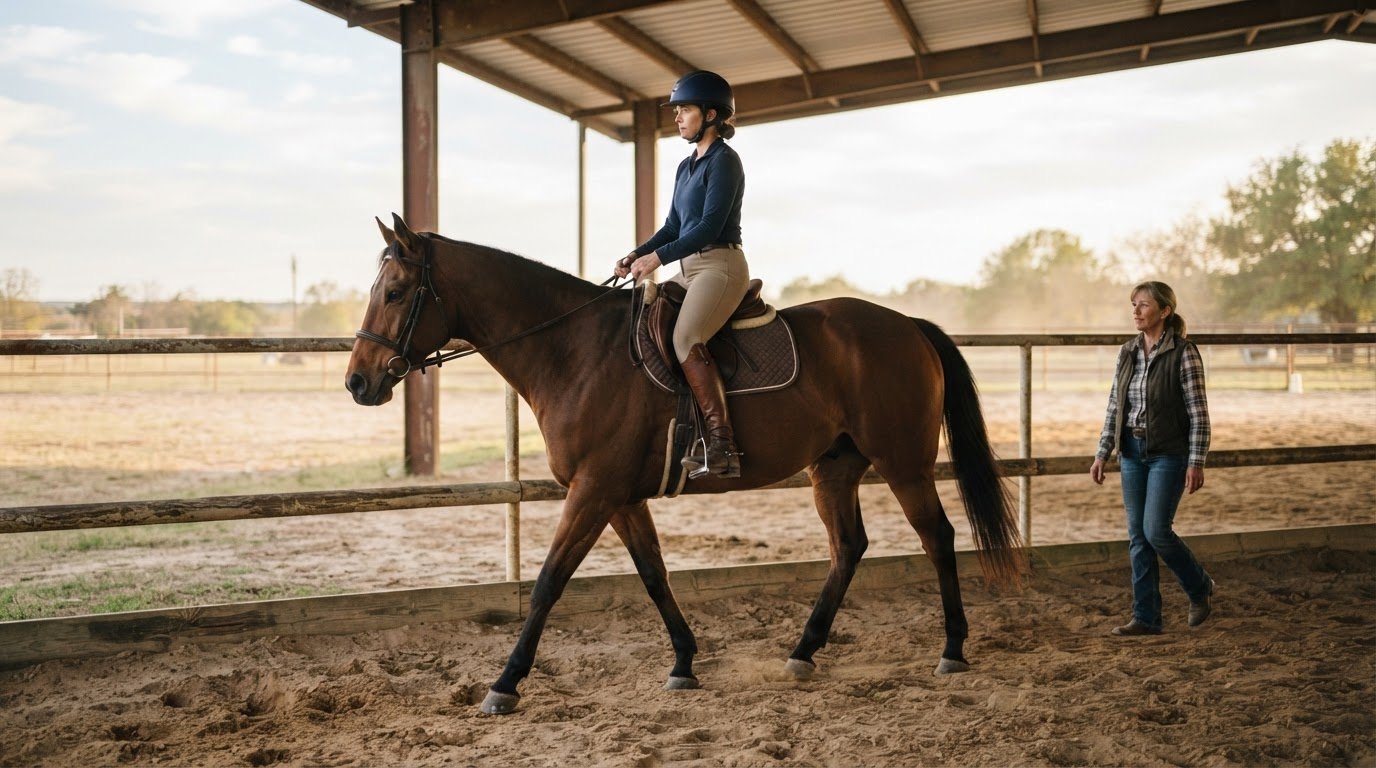
Ethical horsemanship can coexist with competitive riding, including at upper levels. Dressage, show jumping, and other disciplines ask different skills of horse and rider, but none makes welfare secondary. Across disciplines, the standard is clear: the horse’s comfort and readiness matter in every training and competition decision.
Consider a horse learning a new dressage movement or preparing for a jump. The rider can build the task gradually, watch the horse’s response, and adjust the work if discomfort appears. A competition goal doesn’t change what distress means. If a horse shows pain, rest and treatment take priority over completing a session or entering an event. This standard supports thoughtful decisions in recreational riding, schooling, and high-level sport alike.
Ethical horse care in the United States has no single cost. Its requirements depend on the horse’s needs, including ongoing feed, veterinary treatment, rehabilitation, and suitable equipment. A horse recovering from an injury may need different care from one in routine work. Planning around those needs makes welfare part of responsible horsemanship, not an optional expense after riding goals.
To assess a practice in any discipline, look beyond the result and consider the process. Was the horse prepared for the task? Were its responses noticed and respected? Did the equipment support comfort, and did the rider stop when pain appeared? These questions apply whether a pair is riding in a class, working at home, or pursuing competitive success. The takeaway is simple: discipline-specific skills may differ, but respect for the horse should not. A strong performance can align with welfare when training and competition account for the horse’s physical and mental well-being.
Carry Respect Into Your Next Ride
Choose one habit that helps you listen more closely to your horse. Ethical horsemanship develops through ongoing learning and reflection, with each ride offering a chance to make thoughtful choices. New riders can begin by learning how groundwork and riding fit into a broader understanding of horsemanship.
Texas Equine Education & Horsemanship™ offers Horsemanship Lessons for riders seeking foundational instruction. Contact Texas Equine Education & Horsemanship™ to explore this learning opportunity. Keep building your knowledge with patience, and let curiosity guide a more respectful partnership with your horse.
Frequently Asked Questions
What is ethical horsemanship?
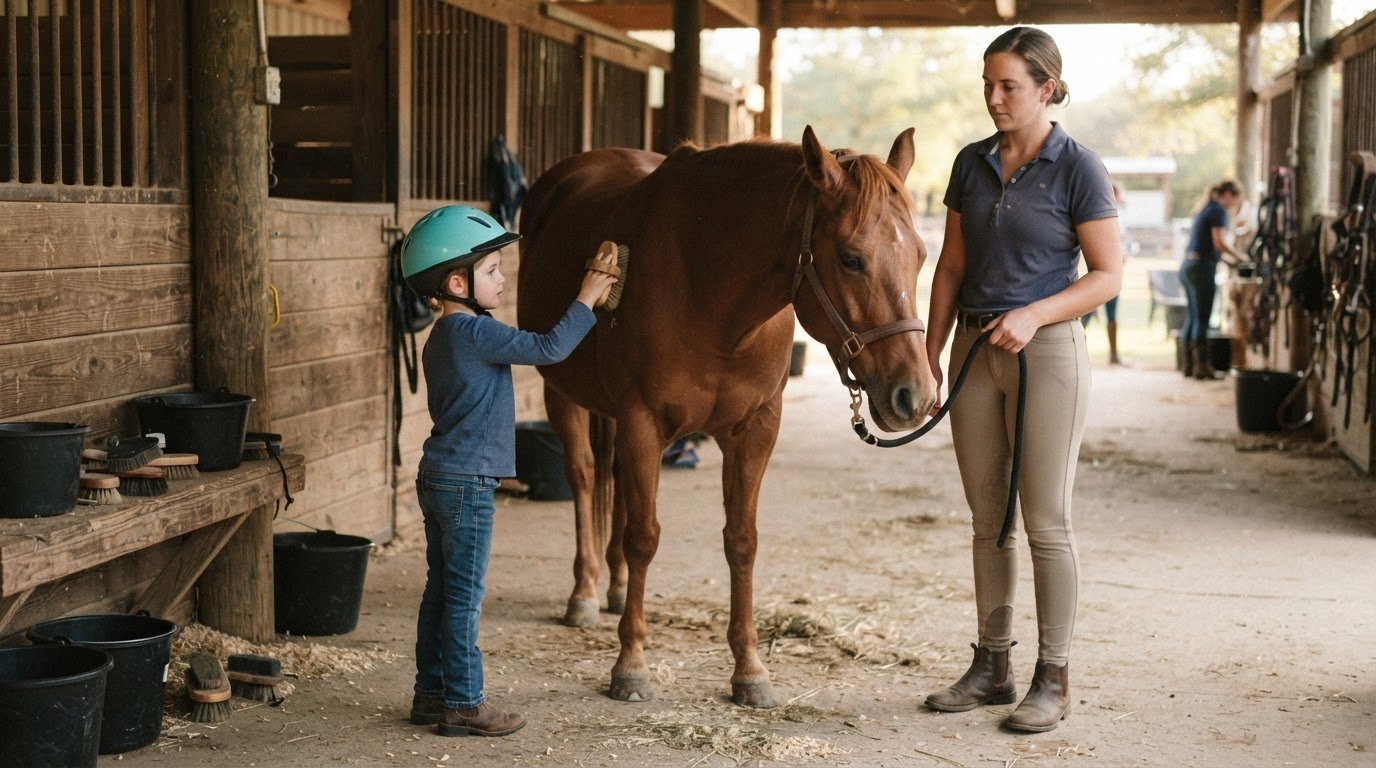
Ethical horsemanship means making decisions that consider the animal’s experience, not only the result a person wants. A respectful approach applies when leading a horse from its stall, preparing equipment, and ending a session, not just during a ride. It describes an ongoing standard of conduct rather than a single riding style.
What are the core principles of ethical horse care and training?
Useful principles include dependable routines, attentive handling, and clear communication among the people caring for a horse. When several people share responsibility, a simple record of changes in appetite, behavior, or routine can help them notice patterns and pass along relevant observations. Consistency in daily care makes it easier to understand what is normal for that individual horse.
What training methods are considered humane and evidence-based for horses?
“Evidence-based” should mean a method’s reasoning and results can be examined, not merely that someone uses the label. Look for instruction that explains what a cue is intended to communicate and how learning will be assessed. A useful record might note the cue, the horse’s response, and whether the same approach produces a clear response in later sessions.
How can someone evaluate whether a riding school or trainer practices ethical horsemanship?
Consider how teaching is organized as well as what happens in the arena. A clear lesson has an understandable learning objective, instruction suited to the rider’s experience, and time to discuss what the rider learned. Notice whether horse care and handling are included in horsemanship education, rather than treating riding skills as the entire subject.


Comments