


Essential Guide to Safe Horse Handling Techniques

A safer moment with a horse begins with the handler’s choices. Safe horse handling means approaching slowly from the side toward the shoulder, using a lead rope without wrapping it around your hand, and building calm responses through consistent training. Gloves can support your grip and protect your hands, but they don’t replace good positioning or attention to the horse’s behavior.
A steady, respectful approach helps both horse and handler feel prepared. This guide covers choosing and holding gloves and lead ropes, approaching and moving beside a horse, and using patient training to make everyday handling more predictable.
Table of Contents
1. Gloves and leading ropes
Gloves can improve your grip and protect your hands when handling a horse. Wear closed shoes or boots that allow you to walk easily and offer some protection. Hold the lead rope without wrapping it around your hand, and keep excess rope off the ground so it cannot tangle around your legs or the horse’s.
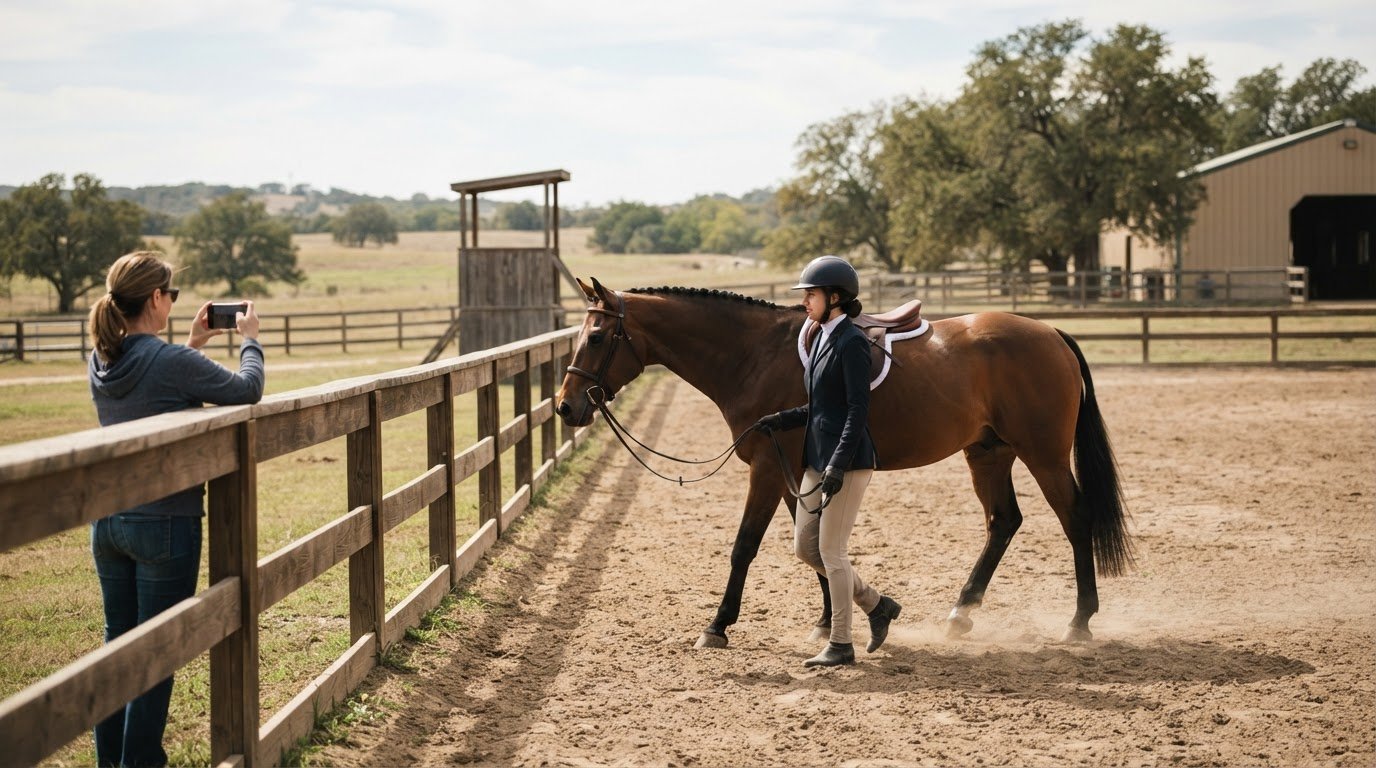
To halter, lead, and tie a horse safely, use a properly fitted halter and lead rope. Walk beside the horse near its shoulder, guide it forward, and turn it away from you rather than pulling it toward you. Tie only to a solid, safe fixture, using a quick-release knot or breakaway string. Never duck under the tie rope.
At a doorway, step through first, then move quickly to the side so the horse can pass without bumping its sides. In a barn aisle or stall, keep the rope organized and avoid standing where a moving horse could pin you. In a pasture, don’t open a gate and let the horse run through. Face it toward the gate before removing its halter.
For foal leading, use a halter rope in front and pressure from a rope behind. Don’t teach a foal to tie until it’s at least 6 months old and weaned. When grooming or tacking up, stay beside the horse and squat, not kneel, to handle a lower leg or hoof.
Children and beginners need hands-on instruction and supervision. Rope entanglement, hand injuries, and kicks are possible hazards; prevent them by keeping the rope unwrapped, maintaining space, and pairing new handlers with a mentor. For trailer loading, use a cotton-rope lead shank at least 5 feet long.
2. Approaching a horse
Approach slowly and confidently from the side, speaking before you come near. Move toward the shoulder, never straight from behind. If the horse moves away, stop and wait until it stands quietly. Then try again rather than following closely or reaching suddenly.
Horses have nearly 360 degrees of panoramic vision, but blind spots remain directly before the nose and behind the tail. A side approach helps the horse see your position as you move toward its shoulder. When standing nearby, stay between its head and shoulder, point your feet toward its neck or shoulder, and avoid facing away.
Watch the horse’s body language as you approach. Relaxed ears, soft eyes, and a calm stance generally suggest the horse is at ease and attentive. Pinned ears, a swishing tail, flared nostrils, or a tense jaw can signal irritation, discomfort, or fear. Repeated pawing, tail flicking, or restlessness may also indicate frustration. Pause and give the horse room to settle instead of pressing forward.
Keep your fingers clear of tight spaces between the horse and a wall, gate, or stall door. Before grooming, tacking up, or riding, make sure the horse knows where you are and can stand without being startled. If you need to pass its hindquarters, either stay close enough to brush against it while keeping a hand on its rump, or move far enough away to remain outside kicking range. Don’t walk behind the horse at an uncertain distance. A calm position and patient pace help you respond if it shifts, turns, or startles.
Let the horse’s characteristics inform your choices, including whether it is a stallion. Don’t assume the same approach suits every horse. Speak before coming near, and stay beside its head and shoulder, not directly in front of or behind it. If it moves away, pause rather than pursuing, and resume only when it has stopped.
3. Training horses for safe handling
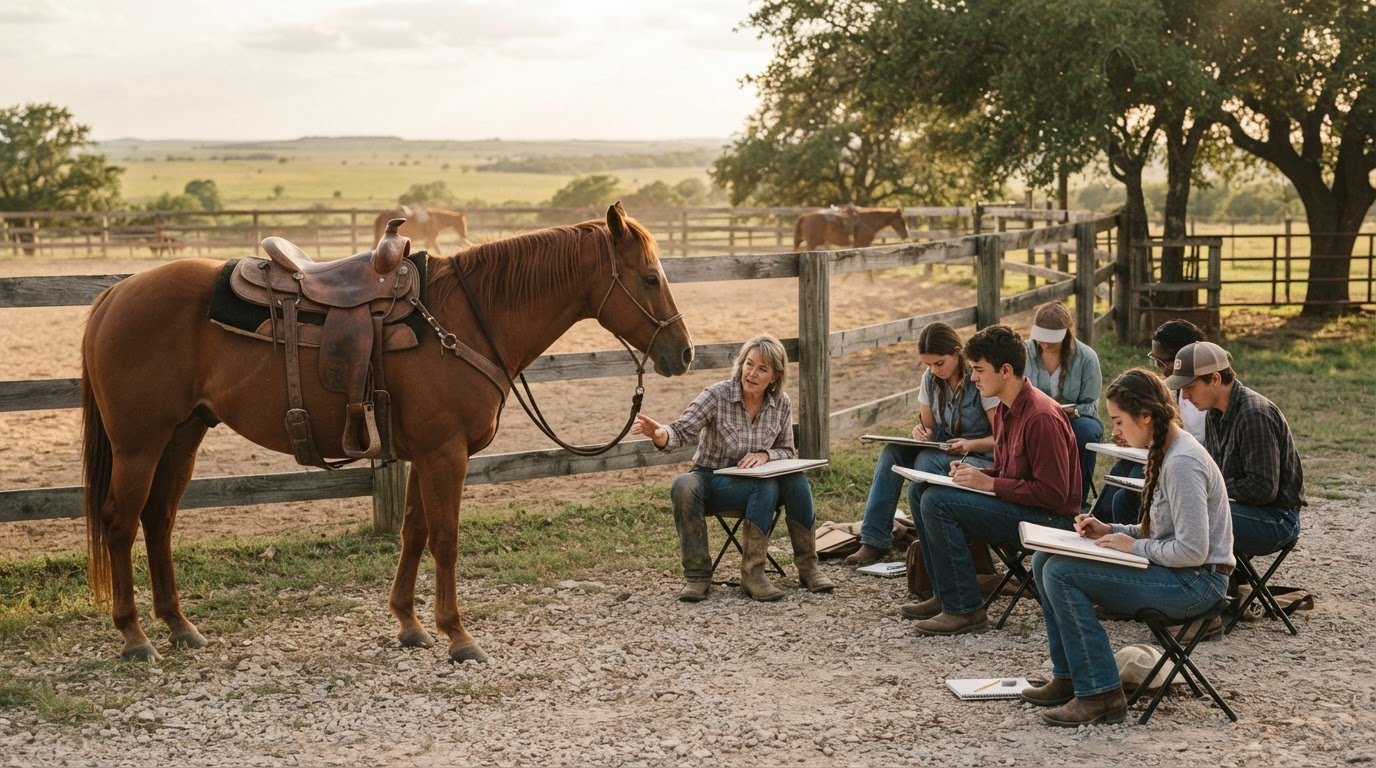
Training for safe horse handling turns careful steps into familiar routines. Begin in a quiet, enclosed space and teach one response at a time: standing for the halter, yielding to gentle pressure, and stepping forward on cue. Introduce equipment and new situations gradually. For example, let the horse inspect a saddle pad before placing it, then reward calm standing before continuing.
In the United States, owners, trainers, and athletes where applicable are responsible for preparing horses for safe handling. Handlers should receive hands-on instruction and supervision. New handlers can benefit from learning alongside a mentor who demonstrates how to read behavior and respond consistently during everyday tasks.
If a horse bites, kicks, rears, or pulls away, don’t punish it or force it through the moment. Create space, keep people clear of its movement, and stop the task if you can do so safely. Note what happened just beforehand, such as an unfamiliar sound or equipment adjustment. Resume with a simpler step the horse can manage, and seek experienced help if the behavior continues.
Consistent safe horse handling practices help prepare an equine partner for ordinary tasks and less familiar situations, including inspections and trailer loading. Teach the horse to stand while equipment is adjusted, then move forward on cue and pause again. Don’t force a reluctant horse into a trailer. Professional help and retraining may be needed. Calm, manageable practice builds useful responses and helps reduce risks for horse and handler.
For a child’s ride, include mounting readiness in the same calm routine. The child’s horse or pony should stand still for mounting, or an adult should hold it until the child is securely in the saddle. Begin moving only when the child is secure. If the horse or pony cannot stand still, pause and have an adult hold it during mounting.
Texas Equine Education & Horsemanship™: Horse & Rider Showcase
Texas Equine Education & Horsemanship™ offers the Horse & Rider Showcase for readers who want to stay engaged with horsemanship. The techniques in this guide support everyday handling, while continued learning can help riders and horse owners deepen their understanding over time.
Explore the showcase if you’re interested in a horse-and-rider setting connected to the wider horsemanship community. It complements practical learning but does not replace hands-on instruction or careful supervision as you develop skills around horses.
For more guidance in foundational horse care and handling, Texas Equine Education & Horsemanship™ also offers Equine Care Classes. Choose the learning option that fits your current needs, and continue applying patient, consistent practices around horses. Visit texaseeh.com to learn more.
Keep Building Your Horsemanship Skills
Safe horse handling is an ongoing practice shaped by patience, awareness, and the choices you make each day. Let each new experience strengthen your judgment, and give yourself time to learn from the horse’s responses.
As your confidence grows, stay attentive to the small signals that can guide your next step. A thoughtful pause, a clear cue, or simplifying a task can help you approach future interactions with greater care.
Keep learning at a pace that respects both you and the horse. Your steady attention can support a more considerate partnership grounded in observation and ongoing practice.
Frequently Asked Questions
What personal protective equipment is recommended for horse handling?
Choose protective gear that reduces snagging and lets you move freely. When leading an excitable horse, consider an equestrian helmet carrying the ASTM/SEI mark, and assess the horse and activity before handling. Wear durable, fitted barn clothing instead of loose items that could catch on equipment. Remove rings, earrings, and body studs, which can snag or be struck.
What are common horse body-language signs of fear, stress, or aggression?
Watch for changes from the horse’s usual posture, not just one isolated movement. A horse that becomes restless, shifts away, or suddenly stiffens may need more space before you continue. Pause the task, keep an open route away from the horse, and avoid escalating pressure. Repeated or worsening behavior calls for experienced, hands-on guidance.


Comments