


Developing Feel in Horsemanship: A Step-by-Step Guide

What if feel isn’t a knack you either have or don’t have? Developing feel in horsemanship is a gradual process of noticing how a horse responds and adjusting your aids thoughtfully. It grows through attention, practice, and a partnership based on respect and willingness.
It’s natural to want clear steps when your horse’s responses are hard to read. This guide explains what feel means and how calm observation, gradual pressure, and timely release can help you develop it. You’ll also learn to notice your horse’s signals, reflect on its response to each aid, and allow progress to unfold one step at a time.
Table of Contents
1. Applying gradual pressure
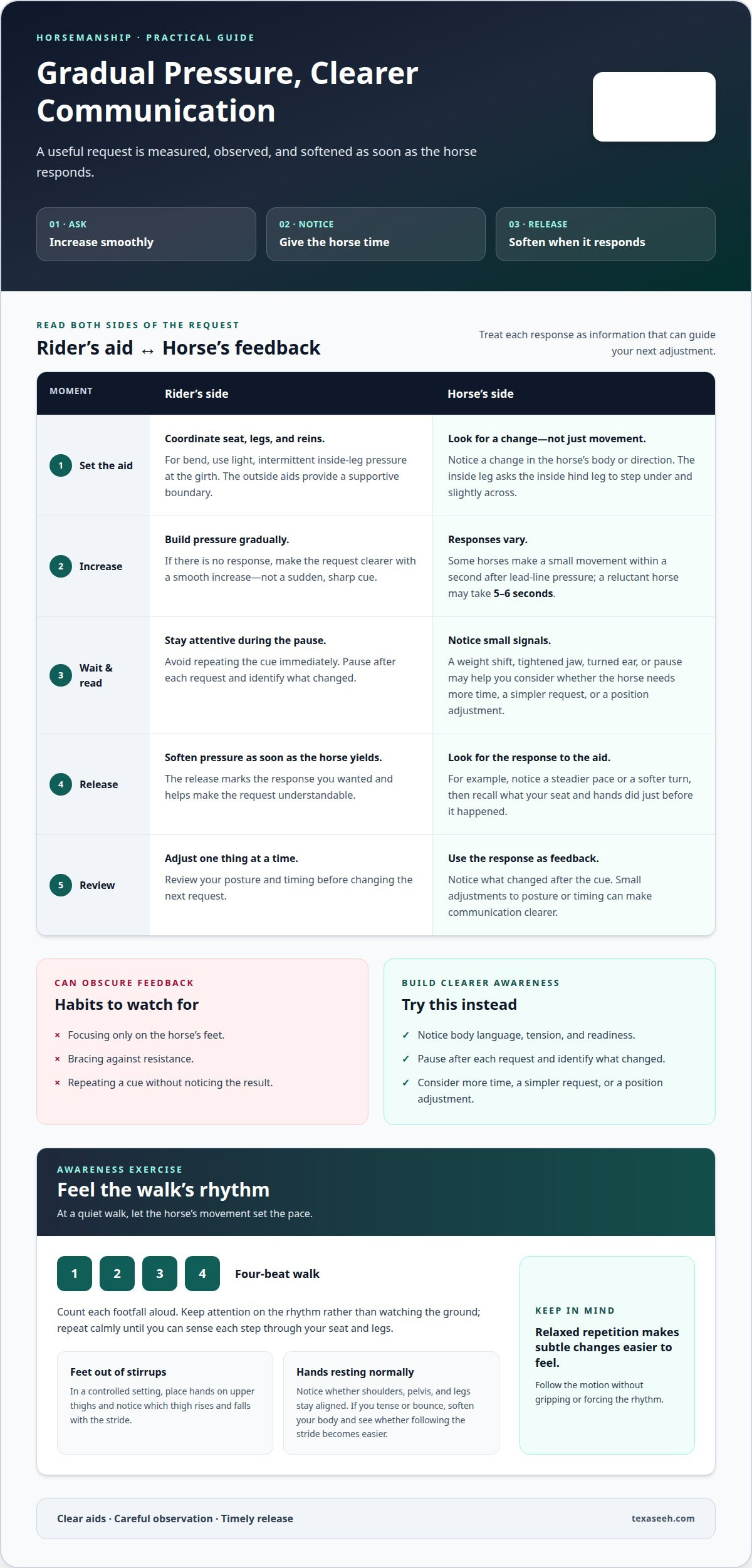
Your seat, legs, and reins communicate through balanced contact and coordinated aids. A steady seat supports your position, while leg and rein cues help clarify the movement you’re asking for. Developing feel in horsemanship starts with noticing how the horse responds to each change in contact.
To ask for bend, use light, intermittent pressure from the inside leg at the girth, while the outside aids provide a supportive boundary. If the horse doesn’t respond, increase pressure smoothly rather than giving a sudden, sharp cue. Keep the request measured and clear, then watch for a change in the horse’s body or direction.
Responses vary. Some horses make a small movement within a second after lead-line pressure; a reluctant horse may take 5-6 seconds. Stay attentive during that pause instead of repeating the cue immediately. When the horse yields, soften the pressure so the release marks the response you wanted. This timing is a practical part of developing feel in horsemanship.
If you use a spur, increase pressure gradually until the horse responds, then return to base pressure before removing it. Avoid constant, hard pressure at the poll, which can inadvertently teach a horse to rear. Clear aids, careful observation, and timely release help make each request understandable.
In this request, the inside leg encourages bend and asks the horse’s inside hind leg to step under and slightly across. Keep the pressure light and intermittent at the girth rather than turning it into an unbroken push. The outside aids create a boundary around the movement, helping the horse understand the inside leg’s request.
Together, these aids describe the requested shape: a bend supported by an outside boundary, with the inside hind leg invited to step under and slightly across. Keep the request focused on this coordination, and give the horse time to respond before changing the cue.
2. Developing a partnership with a horse
Feel is a two-way understanding built on respect, attention, and willingness. Horsemanship methods may teach timing through clear sequences or guided exploration. Either way, riders need to notice what changes after a cue and adjust their next request. Developing feel in horsemanship means treating the horse’s response as useful information, not simply judging whether it obeyed.
Look for small changes before behavior becomes obvious. A horse may shift its weight, tighten its jaw, turn an ear, or pause before moving. Notice the signal, then consider whether the horse needs more time, a simpler request, or an adjustment to your position.
Common barriers include focusing only on the horse’s feet, bracing against resistance, and repeating a cue without noticing the result. These habits can obscure the horse’s feedback. Instead, pause after each request and identify what changed. Developing feel in horsemanship comes from this steady cycle of noticing, responding, and learning.
Groundwork makes it easier to see how your position relates to the horse’s movement. While leading, for example, notice whether the horse matches your pace or turns its attention elsewhere. Adjust your direction calmly and observe the response.
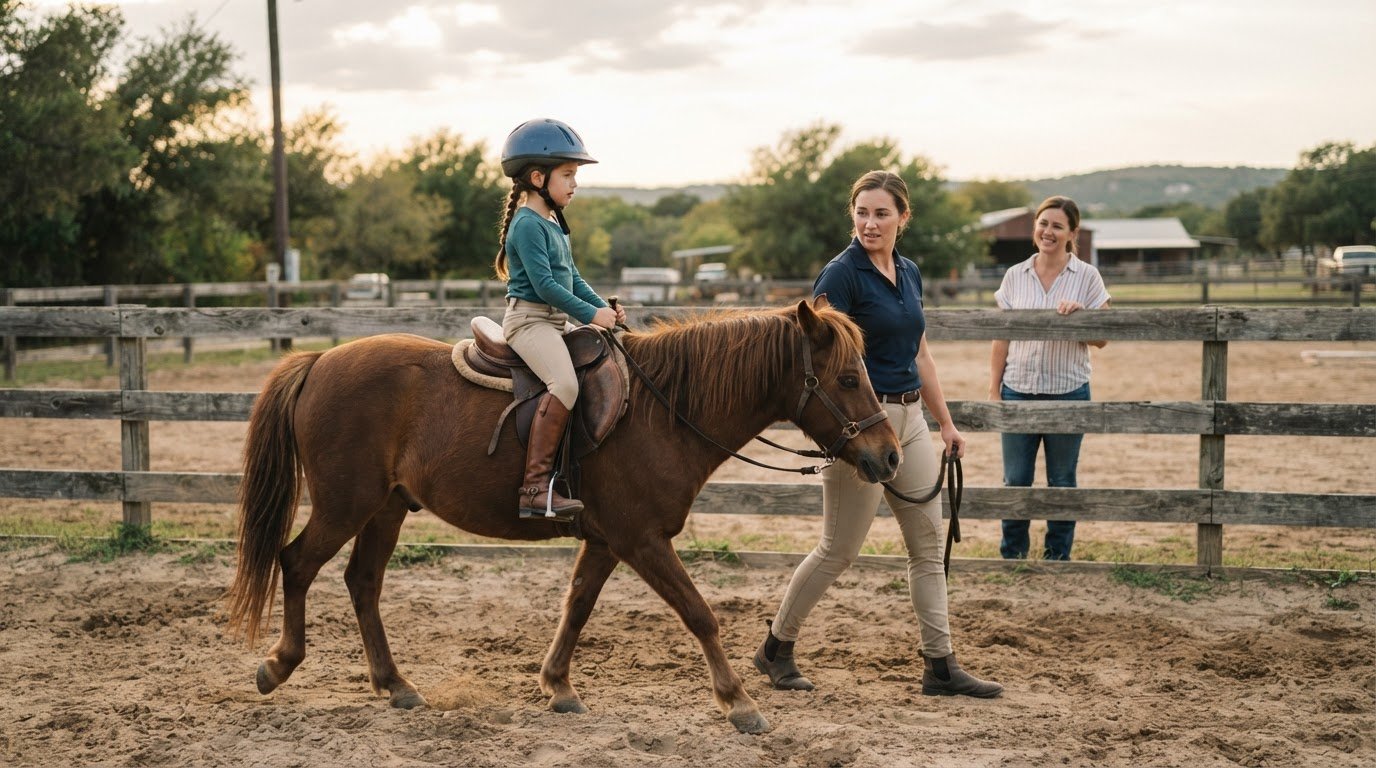
Beginners should practice with an experienced instructor and a calm horse in a suitable, controlled area. Stay alert to the horse’s body language, maintain a safe amount of space, and pause if either partner becomes tense. These habits support clearer observation and communication.
3. What exercises improve timing, feel, and release in horsemanship?
Begin at a quiet walk and let the horse’s movement set the pace. Count each footfall aloud: the walk follows a four-beat rhythm, “1, 2, 3, 4.” Keep your attention on the rhythm rather than watching the ground. Repeat calmly until you can sense each step through your seat and legs.
If footfalls are hard to distinguish, practice at a walk with your feet out of the stirrups, in a controlled setting. Place your hands on your upper thighs and notice which thigh rises and falls with the horse’s stride. Allow the horse to move forward, following the motion without gripping or forcing the rhythm. Relaxed repetition makes subtle changes easier to feel.
Then try the same exercise with your hands resting normally. Notice whether your shoulders, pelvis, and legs stay aligned as the horse walks. If you tense or bounce, soften your body and see whether following the stride becomes easier. This comparison helps you connect your posture with the horse’s movement.
After giving a familiar aid, watch for a specific change, such as a steadier pace or a softer turn. Recall what your seat and hands did just before the response. Adjust one thing at a time, then observe the result. This review develops timing: you learn which moment and posture helped instead of repeating an aid without reading the horse’s response.
Use calm, relaxed repetition of the footfall-awareness exercise to improve your ability to feel the horse’s movement. After each aid, analyze the horse’s reaction and let it guide what you do next. Review what you did before the horse changed, and cultivate posture adjustments that improved the horse. Adjust your seat, aids, exercises, attitude, or training strategy to improve it.
When asking a horse to move forward on a lead line, release pressure as soon as it responds. In rare cases, gently moving a white plastic bag on a stick behind the horse in time with the lead-line request may help it move its feet and understand when pressure is released.
Texas Equine Education & Horsemanship™: Horse & Rider Showcase
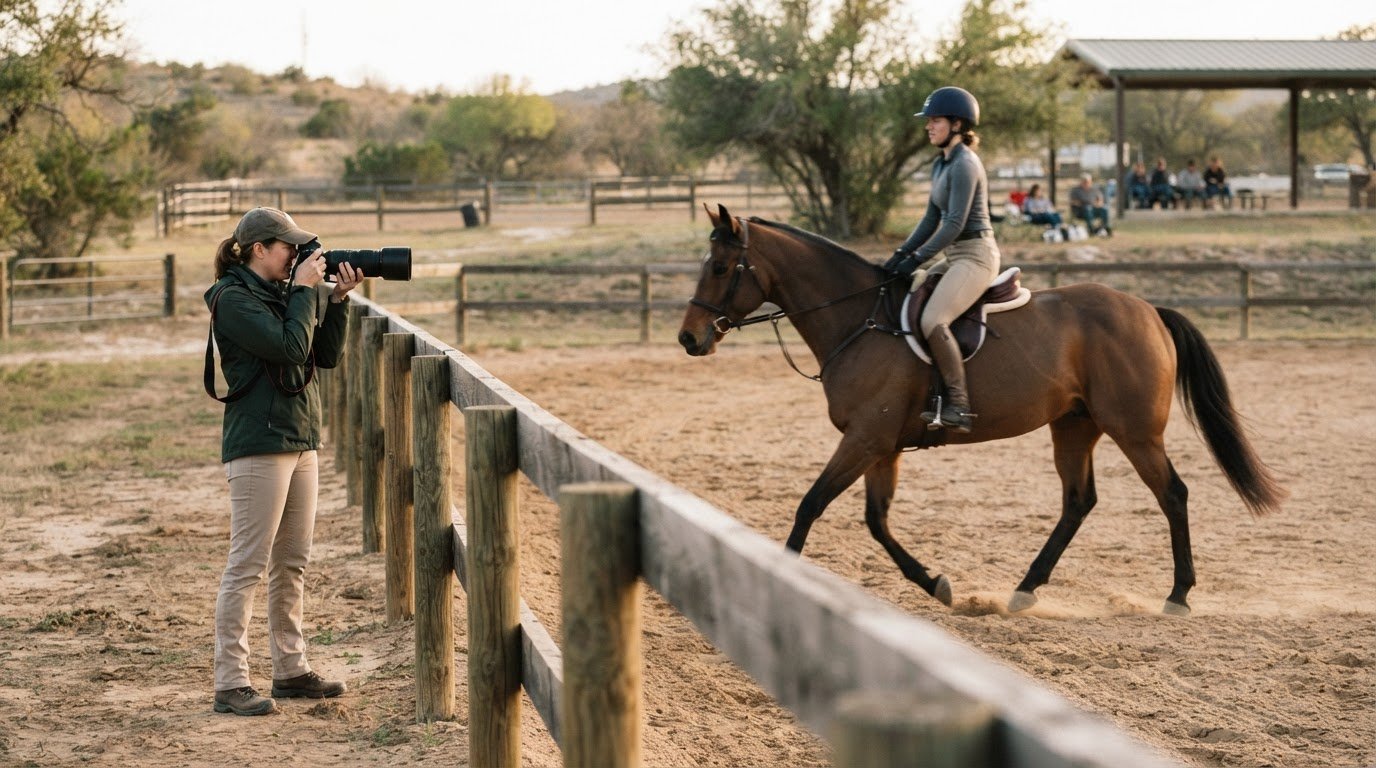
Feel can be easier to understand when you watch how a rider’s quiet adjustments relate to a horse’s response. Look for moments when the rider changes posture or direction, then notice whether the horse follows, hesitates, or shows tension. These observations connect the ideas in this guide with practical horsemanship.
Watching a horse and rider together can prompt useful questions. Does the rider give the horse time to respond? Do the horse’s movements look relaxed and willing? Does the rider adjust after noticing a change? These questions help you think about communication, not judge a pair. A single visible moment can’t tell you everything about their training or partnership.
As you observe, consider how the rider’s posture or direction relates to the horse’s response. Notice whether the horse follows, hesitates, or shows tension, and whether the rider adjusts after noticing a change. Looking at these details can help you connect visible actions with communication, while remembering that one moment offers only a limited view of a partnership.
The Horse & Rider Showcase from Texas Equine Education & Horsemanship™ offers an opportunity to observe these interactions.
Frequently Asked Questions
What Is Feel?
Feel is the ability to notice and respond thoughtfully to another being’s signals. In horsemanship, it may include instinct, but it’s also a skill riders develop through attention and experience. For example, noticing that a horse becomes distracted near a gate can help you choose a calmer, clearer approach before asking for the next movement.
What does feel mean in horsemanship?
Feel means understanding the exchange between horse and rider, including the horse’s willingness, state of mind, and response to communication. It isn’t simply soft hands or good balance. A rider shows feel by adapting when a horse seems confused, attentive, or unsettled. The goal is a considerate partnership, not a response gained through force.
How can a beginner develop better feel for a horse?
Beginners can develop feel by observing horses during everyday interactions, such as grooming or standing quietly together. Notice when a horse turns its attention toward a sound, shifts away, or relaxes as you approach. Discuss what you notice with an experienced instructor. Horsemanship lessons offer guided practice in connecting those observations with clear, considerate handling.


Comments